The amount of waste that hospitals generate is substantial. Of the total amount of waste generated, about 85 percent is a general, non-hazardous waste. The remaining 15 percent is hazardous materials. Proper Medical Waste Disposal Services can help you get rid of these dangerous wastes easily.
Those are some hefty numbers. But every hospital doesn’t need to fall into the status quo. There are four effective ways to minimize hospital waste and turn the facility into a more sustainable environment.
Install Hand Dryers
Everyone wants their doctors, nurses, and other members of the health-care profession to have clean hands. And you can bet that inside these facilities, they’re constantly washing their hands. But once they’re clean, they need to dry them. And most often, they resort to paper towels.
Yes, paper towels are recyclable, but constantly using them to dry hands is still wasteful. Consider installing hand dryers in every hospital room. Paper towels can still be an option, but the hand dryers will minimize the number of paper towels that go in the trash can.
Color Code Waste Separation
You may be able to find an alternative for paper towels, but there are some items you will still need to throw out. When it’s time to discard those, it’s best to do it in an organized manner. Use small medical waste containers inside patient rooms and make them accessible to staff only.
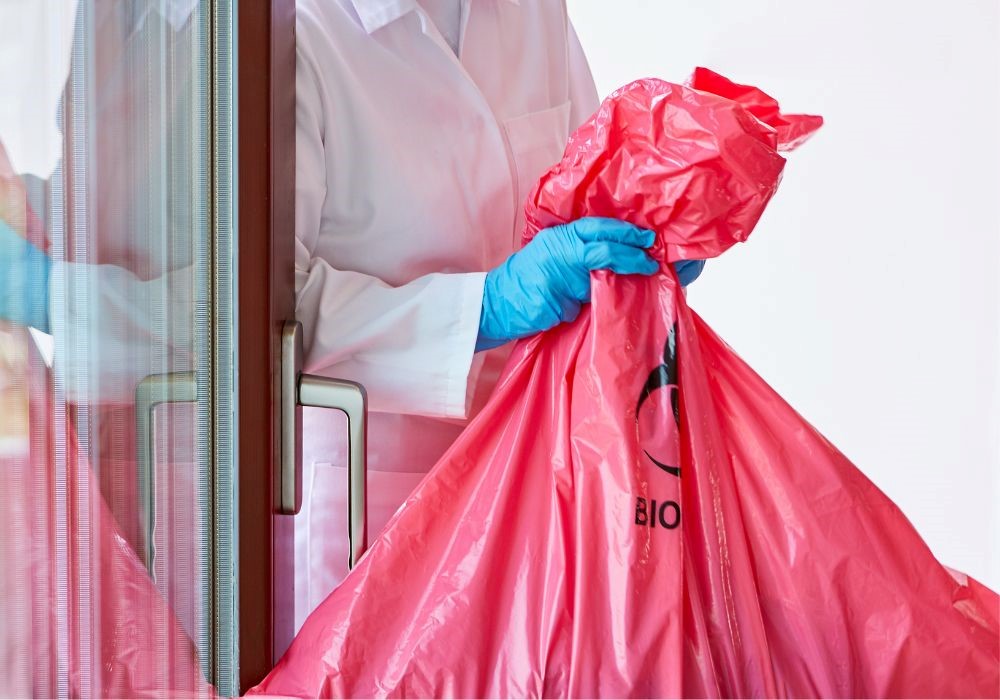
Separate red bag waste containers from solid waste containers. Color code these containers to ensure appropriate separation of waste. Also, make sure the waste management teams dump trash in the proper bins at the end of the day. Dumpsters play a pivotal role in hospitals, so ensuring that waste goes into the right receptacles is essential.
Stock Up on Reusable Items
Using reusable products in place of single-use ones can keep a lot of items from entering the landfill. So you need to stock up. Check to see if products are reusable before purchasing them.
Use washable items in patient rooms as an alternative to paper ones. A lot of hospitals fear that these items won’t go through proper sanitization. If that’s the case, make sure the gowns and linens you purchase are recyclable so that centers can transform them into something else useful.
Conduct Monthly Waste Audits
It’s not possible to improve and fix a problem without knowing where the problem lies. Every hospital and health-care facility should conduct monthly waste audits. At the end of each month, see which areas in the facility generated the most waste.
With these audits, you’ll get a full view of the problems and solutions. These periodic spot checks will allow everyone to see if they dispose of waste correctly and if they’re following the plan. Share the findings with everyone on staff so that everyone can continue to improve.
Effectively minimizing hospital waste can happen in four easy steps. You only need to make sure everyone is on board.
Read Also
- What Today’s Patients Expect From Healthcare Brands
 Healthcare is no longer experienced only through appointments, prescriptions, or hospital visits. Patients now interact with healthcare brands through websites, mobile applications, educational articles, product instructions, customer support teams, social media, and online reviews. Every one of these interactions influences how people judge a company. This shift has raised expectations. Patients want accurate information, convenient… Read more: What Today’s Patients Expect From Healthcare Brands
 - Top Trends Shaping the Future of Mental Health CareMental health care is moving fast to meet daily human needs. People want direct care that fits modern life. Clinics respond by creating flexible options that make healing easier to reach. Providers look past rigid habits to give people solid care. From smart tools to body wellness, these changes help people find relief when life… Read more: Top Trends Shaping the Future of Mental Health Care
- Can Outsourced Telepsychiatry Help Healthcare Organizations Keep Pace With Modern Mental Health Screening?Mental healthcare is changing quickly, but many hospitals, clinics, schools, correctional facilities, and community health organizations do not have enough psychiatric professionals available to turn new screening approaches into timely clinical care. Outsourced telepsychiatry offers one way to close that gap. FasPsych, for example, connects healthcare organizations with psychiatrists, psychiatric nurse practitioners, and other behavioral… Read more: Can Outsourced Telepsychiatry Help Healthcare Organizations Keep Pace With Modern Mental Health Screening?
- Five operational checks for choking readiness in healthcare facilitiesA facility can have a choking poster on every wall and still be unprepared. Preparedness shows up when someone can recognize the emergency, call the right response, bring the right people and supplies to the room, and hand over clear information without losing time. That test belongs in operations as well as clinical education. The… Read more: Five operational checks for choking readiness in healthcare facilities
- Understanding the Demand for Correctional Healthcare ProfessionalsHave you ever wondered who cares for people when they get sick inside a prison? Many people do not realize that jails and prisons need skilled medical teams every single day. By reading this guide, you will learn why these important jobs are growing fast and how you can join this rewarding career field. Caring… Read more: Understanding the Demand for Correctional Healthcare Professionals
- Patient Engagement and Pharmaceutical Support Services: Building a Better Patient JourneyPatients rarely experience healthcare as a simple, linear process. They may need to understand a diagnosis, determine whether they qualify for a clinical trial, gather medical records, navigate insurance requirements, arrange transportation, learn how to use a medication, and stay engaged with treatment for months or years. Serva Health is one example of a specialist… Read more: Patient Engagement and Pharmaceutical Support Services: Building a Better Patient Journey