Teeth whitening has gained popularity as a cosmetic procedure. A bright, white smile is often associated with good oral hygiene and can significantly boost self-esteem. Dentists play a pivotal role in helping patients achieve their desired smile through teeth whitening procedures. However, choosing suitable dental materials from reputable places, like teeth whitening supplies from ValueMed, is crucial for dentists to ensure safety, efficacy, and patient satisfaction. This article will delve into the world of teeth whitening supplies for dentists, providing valuable insights to help you make informed decisions for your dental practice.
Selecting the Ideal Teeth Whitening Products for Your Practice
Choosing the right teeth-whitening products is critical for dental professionals looking to offer effective and safe teeth-whitening procedures. The selection process involves considering various factors to ensure that the chosen products align with the practice’s goals and the patient’s needs. Teeth whitening supplies encompass various options, each with distinct advantages and considerations.
In-Depth Analysis of Teeth Whitening Gels for Dental Professionals
Teeth whitening gels are fundamental for achieving brighter smiles in a dentist’s arsenal. These gels contain active ingredients like hydrogen peroxide or carbamide peroxide, which remove stains from teeth. When delving into teeth whitening gels, one crucial aspect to assess is their concentration and viscosity. Higher-concentration gels deliver faster results but also carry a higher risk of tooth sensitivity. In contrast, lower-concentration gels require more extended treatment times but are gentler on the teeth. Therefore, the choice of gel concentration should carefully consider patient preferences and individual dental needs.
Customization of Teeth Whitening Trays for Your Patients
Customization plays a pivotal role in ensuring the success of teeth whitening procedures. Teeth whitening trays are the key to achieving consistent and even teeth whitening as they ensure direct and uninterrupted contact between the whitening gel and your teeth. Crafting custom-fitted trays is a meticulous process that begins with precise impressions of the patient’s teeth. Ill-fitting trays can lead to uneven whitening, gum irritation, and patient discomfort. Investing in high-quality tray materials and creating custom trays tailored to each patient’s unique dental anatomy can significantly enhance the teeth whitening experience.
Peroxide Varieties in Teeth Whitening
Dental professionals must understand the various peroxide options available in teeth whitening. Teeth whitening products primarily use hydrogen peroxide and carbamide peroxide as active ingredients. Each compound comes with its set of advantages and considerations. Hydrogen peroxide is renowned for its fast-acting properties, making it a preferred choice for in-office whitening procedures. However, its higher concentration can lead to heightened tooth sensitivity, necessitating careful monitoring.
On the other hand, carbamide peroxide releases hydrogen peroxide gradually and is commonly used in at-home whitening kits. It offers a more gradual whitening process, often with reduced sensitivity. Dentists should educate their patients on the differences between these peroxide varieties and recommend the most suitable option based on individual needs.
Safety and Security in Teeth Whitening Procedures
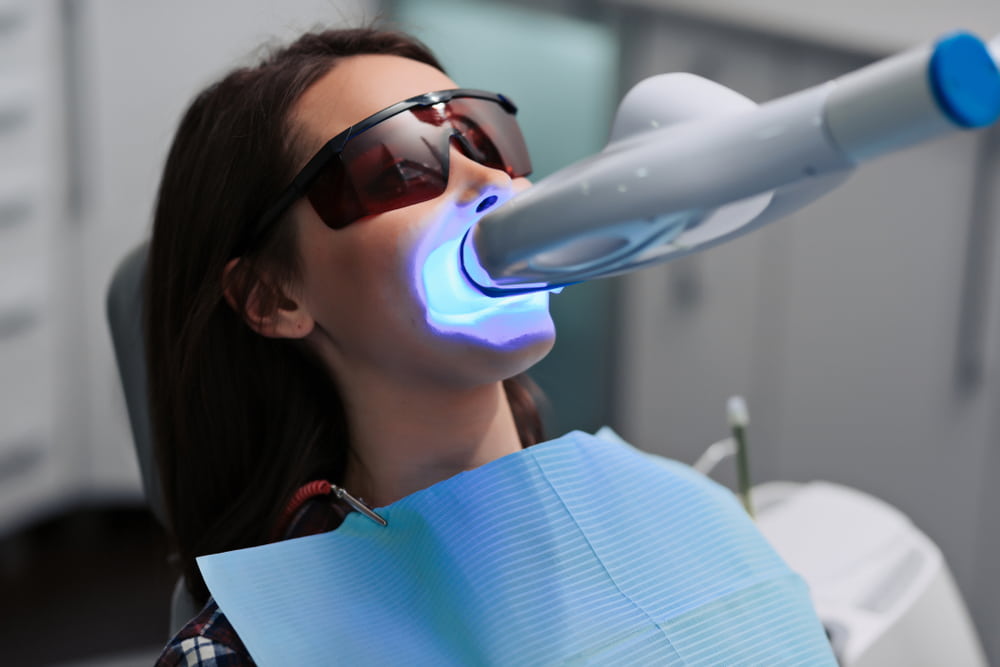
Ensuring the safety and security of patients during teeth whitening procedures is a top priority for dental professionals. This begins with a comprehensive assessment of the patient’s oral health, including identifying any pre-existing dental issues that could affect the whitening process. Implementing protective measures, such as the use of gingival barriers and protective eyewear, helps shield patients from potential harm and discomfort. Furthermore, providing patients with detailed post-whitening care instructions is essential to maintain their newly brightened smiles without complications.
Patient Education and Informed Consent
Educating patients about the teeth whitening process is an integral part of a dentist’s responsibility. Patients should clearly understand the entire procedure, including its potential benefits, risks, and expected outcomes. Informed consent is not only an ethical practice; it is a legal necessity in many jurisdictions. Dentists should engage in open and informative discussions with their patients, addressing any concerns or questions that may arise. This transparent communication fosters trust and ensures that patients actively participate in their dental care decisions, leading to a more satisfying teeth whitening experience.
Maintaining Patient Records and Follow-Up
In addition to the abovementioned considerations, dental professionals must maintain comprehensive patient records when performing teeth whitening procedures. Documenting the details of each treatment session, including the type and concentration of whitening products used, the duration of treatment, and any adverse reactions or sensitivities reported by the patient, is essential. This meticulous record-keeping not only ensures transparency but also allows for proper follow-up care.
Regular follow-up appointments can be scheduled to monitor the long-term effects of teeth whitening and address any concerns that may arise post-treatment. By maintaining accurate records and offering ongoing support, dental professionals can further enhance patient satisfaction and the overall success of their teeth whitening procedures.
Conclusion
Teeth whitening is a sought-after cosmetic dental procedure, and dentists play a pivotal role in helping patients achieve brighter smiles. To ensure the success and safety of teeth whitening procedures, selecting the right supplies, like teeth whitening supplies from ValueMed, is crucial. By keeping up-to-date with the latest advancements in teeth whitening technology and following best practices, dentists can continue to deliver brighter smiles to their patients while prioritizing patient satisfaction and safety.
Did you find this article helpful? You can check out our website for more awesome content like this.
Read Also
- Innovative Technologies in Oncology: The Future of Cancer Treatment
 Have you ever wondered how far cancer treatment has come in recent years? Advances in technology are making a real difference in the fight against cancer. Today, more people are living longer and healthier lives after a cancer diagnosis. This is all thanks to new and groundbreaking medical advancements. The future of cancer care looks… Read more: Innovative Technologies in Oncology: The Future of Cancer Treatment
 - Cloud-Based Healthcare Administration Solutions: A Guide for Payers, TPAs, and Provider NetworksHealthcare administration has become too complex for disconnected spreadsheets, aging on-premise applications, and manual handoffs between departments. Organizations need technology that can manage claims, enrollment, billing, provider relationships, and member data as connected parts of the same operation. MCSI – Visova is one example, offering a cloud-native vpaas designed to support HIPAA-compliant healthcare administration. Its… Read more: Cloud-Based Healthcare Administration Solutions: A Guide for Payers, TPAs, and Provider Networks
- How Intelligent Invoice Processing Is Reshaping Healthcare AP WorkflowsWhat happens when healthcare invoice volumes outpace the AP team’s ability to review, validate, and route them, while cost per invoice keeps rising? That gap is pushing finance leaders past basic digitization. Supplier invoices across formats, systems, departments, and approval paths, and holding speed, accuracy, compliance, and visibility together gets harder at scale. Intelligent invoice… Read more: How Intelligent Invoice Processing Is Reshaping Healthcare AP Workflows
- From 1905 to 2026: How German Legacy Manufacturers Power Deutsche Dental Technologien’s SuccessFrom 1905 to 2026: How Busch & Co.’s Legacy Powers Deutsche Dental Technologien’s Success In an era where dental technology advances at breakneck speed, few companies embody the perfect blend of historic craftsmanship and modern business agility quite like Busch & Co. and its strategic partner Deutsche Dental Technologien. What began as a small dental bur factory in… Read more: From 1905 to 2026: How German Legacy Manufacturers Power Deutsche Dental Technologien’s Success
- Why the Future of Healthcare Administration is Cloud-NativeThe operational demands placed on modern healthcare administrators have officially outpaced the capabilities of traditional IT infrastructure. While clinical medicine continues to advance at breakneck speed, the back-office systems required to support it often remain painfully stagnant. Today’s insurers, Third-Party Administrators (TPAs), and provider networks are forced to navigate an avalanche of daily claims, aggressive… Read more: Why the Future of Healthcare Administration is Cloud-Native