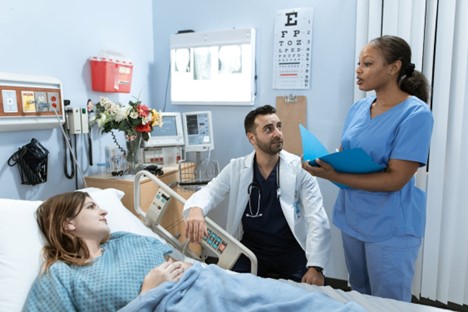
Nursing students are more than just future healthcare providers; they are the key contributors to the health and well-being of their communities. Their role extends beyond the walls of hospitals and clinics, directly impacting the health of the population at large. With a unique blend of theoretical knowledge and practical skills, nursing students are instrumental in building healthier communities. This article explores ten ways these aspiring professionals contribute to public health, emphasizing their essential role in shaping a healthier, more informed, and well-cared-for society. From providing basic health services to participating in groundbreaking research, we will delve into the myriad ways nursing students are making a significant difference in the world around them.
1. Providing Basic Health Services
Nursing students are often at the forefront of providing basic but essential health services within their communities. They actively participate in community health fairs and local events, offering services like blood pressure monitoring, glucose testing, and basic health screenings. By engaging directly with the community, nursing students not only apply their learning in real-world scenarios but also foster a culture of health awareness and prevention.
2. Online Learning and Its Impact
In the digital age, many nursing students are now educated through reputable online nursing programs. These nursing school online programs offer comprehensive and flexible learning experiences that are well-suited to address the evolving healthcare challenges in communities. Students who enroll in these programs gain a wealth of knowledge and skills, enabling them to educate people effectively about maintaining health and wellness. The versatility of online education means that these future nurses can access and share the latest health information, tools, and strategies, making them well-prepared to make a significant impact in community health education.
3. Volunteering in Community Clinics
Nursing students often volunteer their time and skills in community clinics, providing invaluable support to healthcare systems that are frequently overburdened. By assisting in these clinics, they help to expand access to healthcare services. Their involvement can range from performing routine check-ups to assisting in more complex medical procedures under supervision. This not only gives them practical experience but also ensures that a wider segment of the community receives necessary medical attention, thereby enhancing overall public health.
4. Promoting Public Health Education
Public health education is a cornerstone of community wellness, and nursing students play a pivotal role in this area. They organize and participate in workshops, health seminars, and awareness campaigns, covering a range of topics from disease prevention to healthy living practices. Through these initiatives, they spread crucial information that can lead to better health choices and outcomes. By educating the public, nursing students help to prevent the spread of diseases and promote a healthier lifestyle among community members.
5. Participating in Research
Medical and health research is another key area where nursing students contribute significantly. They often engage in various research projects that aim to improve community health outcomes. This might involve collecting data, conducting surveys, or assisting in clinical trials. Their contribution to research backs the development of new treatments, health policies, and practices. By participating in research, nursing students help in advancing medical knowledge and finding solutions to public health challenges.
6. Advocating for Health Policy
Nursing students are not just future caregivers; they are budding advocates for health policy change. They play an integral role in advocating for policies that lead to better healthcare access and quality, particularly for vulnerable and less fortunate populations. Their education provides them with a deep understanding of the healthcare system, enabling them to identify areas that need reform. By participating in advocacy groups, attending public meetings, and even speaking with legislators, nursing students help shape policies that improve public health and ensure equitable access to healthcare services.
7. Addressing Mental Health Needs
Mental health is a critical component of overall well-being, and nursing students are increasingly involved in addressing this aspect in their communities. They participate in mental health awareness campaigns, assist in helplines, and support group initiatives, providing essential information and helping to destigmatize mental health issues. Their involvement often extends to educational programs where they inform the public about recognizing mental health problems, accessing care, and supporting those who are struggling. This holistic approach to health, encompassing both physical and mental aspects, is vital for building resilient communities.
8. Supporting Elderly and Vulnerable Populations
Nursing students often extend their care to some of the most vulnerable members of the community: older adults, people with disabilities, and those with chronic illnesses. They may volunteer for home health services, assist in senior centers, and provide companionship and basic care to those in need. By doing so, they help people maintain a higher quality of life and reduce their risk of hospitalization. This not only alleviates pressure on healthcare facilities but also ensures that these vulnerable groups receive the compassionate care they deserve.
9. Emergency Response and Disaster Relief
In times of crisis, whether due to natural disasters or other emergencies, nursing students are often among the first to respond. Their training prepares them to provide critical care, support, and assistance in these high-pressure situations. They may volunteer with local emergency response teams or participate in disaster relief efforts, applying their skills where they are most needed. This readiness to respond in times of crisis is an invaluable asset to any community, ensuring that help is available when it’s most crucial.
10. Promoting Health and Wellness Initiatives
Nursing students actively promote health and wellness within their communities. They initiate and participate in programs focused on physical fitness, nutrition, and overall wellness. These initiatives might include organizing community fitness events, providing nutritional counseling, or leading health education workshops. By encouraging healthy lifestyles and preventative care, nursing students help reduce the prevalence of chronic diseases and improve the general health of the community.
Conclusion
The impact of nursing students on the health of their communities is profound and multifaceted. Through their diverse roles, they contribute significantly to building healthier, more resilient communities. Their dedication and hard work not only enhance the immediate well-being of community members but also lay the groundwork for long-term public health improvements.
As nursing students transition into professional roles, the experiences they gain and the contributions they make during their educational journey continue to resonate. They not only prepare themselves for future careers in healthcare but also actively shape the health landscapes of their communities. Their commitment to the well-being of their communities is a testament to the essential role of nursing in fostering a healthier, more equitable world.
Did you find this helpful? Check out our other helpful articles on our website.
Read Also
- What Today’s Patients Expect From Healthcare Brands
 Healthcare is no longer experienced only through appointments, prescriptions, or hospital visits. Patients now interact with healthcare brands through websites, mobile applications, educational articles, product instructions, customer support teams, social media, and online reviews. Every one of these interactions influences how people judge a company. This shift has raised expectations. Patients want accurate information, convenient… Read more: What Today’s Patients Expect From Healthcare Brands
 - Top Trends Shaping the Future of Mental Health CareMental health care is moving fast to meet daily human needs. People want direct care that fits modern life. Clinics respond by creating flexible options that make healing easier to reach. Providers look past rigid habits to give people solid care. From smart tools to body wellness, these changes help people find relief when life… Read more: Top Trends Shaping the Future of Mental Health Care
- Can Outsourced Telepsychiatry Help Healthcare Organizations Keep Pace With Modern Mental Health Screening?Mental healthcare is changing quickly, but many hospitals, clinics, schools, correctional facilities, and community health organizations do not have enough psychiatric professionals available to turn new screening approaches into timely clinical care. Outsourced telepsychiatry offers one way to close that gap. FasPsych, for example, connects healthcare organizations with psychiatrists, psychiatric nurse practitioners, and other behavioral… Read more: Can Outsourced Telepsychiatry Help Healthcare Organizations Keep Pace With Modern Mental Health Screening?
- Five operational checks for choking readiness in healthcare facilitiesA facility can have a choking poster on every wall and still be unprepared. Preparedness shows up when someone can recognize the emergency, call the right response, bring the right people and supplies to the room, and hand over clear information without losing time. That test belongs in operations as well as clinical education. The… Read more: Five operational checks for choking readiness in healthcare facilities
- Understanding the Demand for Correctional Healthcare ProfessionalsHave you ever wondered who cares for people when they get sick inside a prison? Many people do not realize that jails and prisons need skilled medical teams every single day. By reading this guide, you will learn why these important jobs are growing fast and how you can join this rewarding career field. Caring… Read more: Understanding the Demand for Correctional Healthcare Professionals
- Innovative Technologies in Oncology: The Future of Cancer TreatmentHave you ever wondered how far cancer treatment has come in recent years? Advances in technology are making a real difference in the fight against cancer. Today, more people are living longer and healthier lives after a cancer diagnosis. This is all thanks to new and groundbreaking medical advancements. The future of cancer care looks… Read more: Innovative Technologies in Oncology: The Future of Cancer Treatment
- Patient Engagement and Pharmaceutical Support Services: Building a Better Patient JourneyPatients rarely experience healthcare as a simple, linear process. They may need to understand a diagnosis, determine whether they qualify for a clinical trial, gather medical records, navigate insurance requirements, arrange transportation, learn how to use a medication, and stay engaged with treatment for months or years. Serva Health is one example of a specialist… Read more: Patient Engagement and Pharmaceutical Support Services: Building a Better Patient Journey
- Cloud-Based Healthcare Administration Solutions: A Guide for Payers, TPAs, and Provider NetworksHealthcare administration has become too complex for disconnected spreadsheets, aging on-premise applications, and manual handoffs between departments. Organizations need technology that can manage claims, enrollment, billing, provider relationships, and member data as connected parts of the same operation. MCSI – Visova is one example, offering a cloud-native vpaas designed to support HIPAA-compliant healthcare administration. Its… Read more: Cloud-Based Healthcare Administration Solutions: A Guide for Payers, TPAs, and Provider Networks