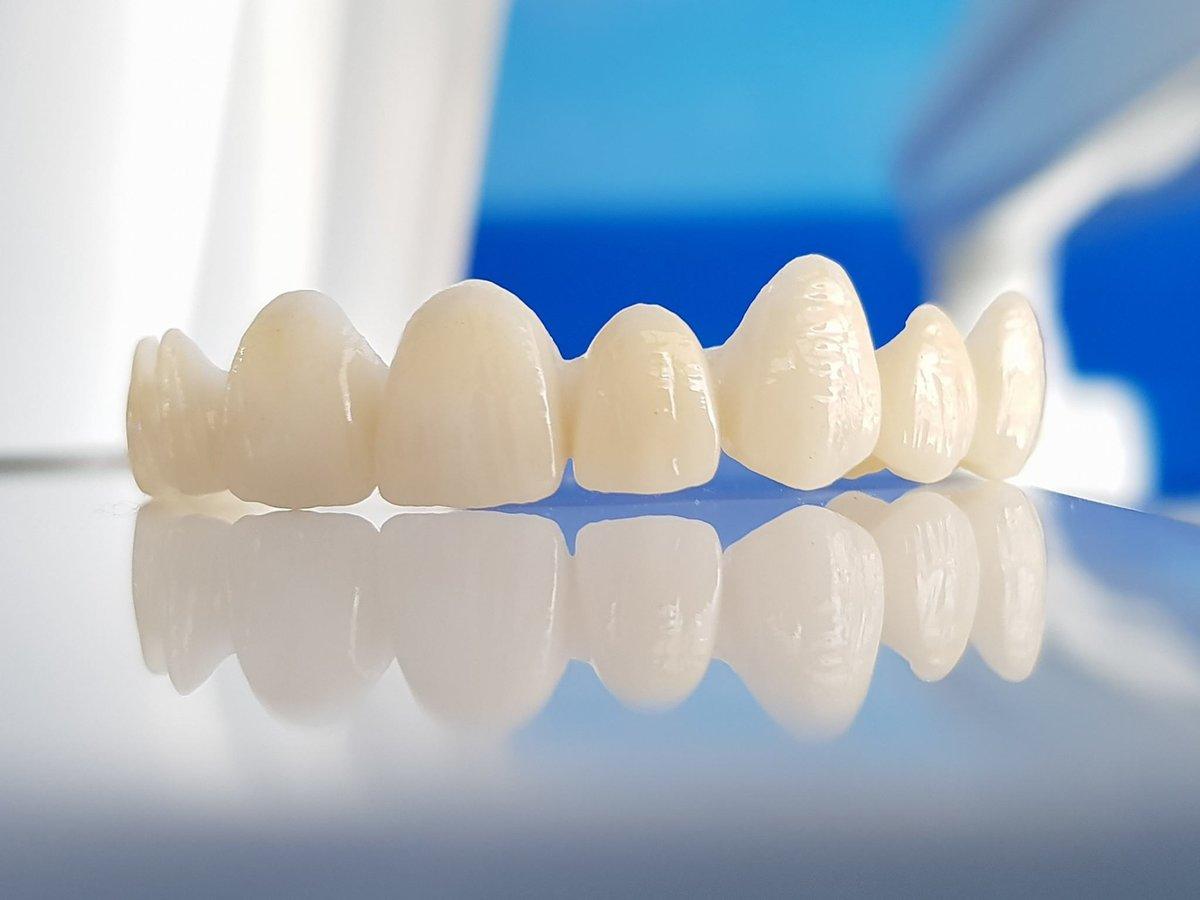
Dental crowns are used to cover or cap the teeth to restore the form and function of your teeth. Dental Crowns help to recover teeth and oral health. Your dentist will suggest a dental crown when you have a damaged, broken, chipped, worn-out, root-canal treated or lost tooth.
There are various dental crowns, like metal crowns, metal-ceramic crowns, ceramic crowns, etc., that are used to replace your teeth. Zirconia dental crowns are the most popular and widely used among all the other crowns. They are the latest crowns designed to suit modern day needs and are a close match to your natural teeth. Zirconia crown can offer you more benefits than other crowns. Let us understand why these crowns are the most preferred ones today.
What are Zirconia Dental Crowns?
Zirconia Dental Crowns are made of Zirconium Dioxide, a crystalline metal oxide. They are metal-free crowns but possess the power of a metal in terms of strength. They are strong, durable and look totally natural. These crowns can tolerate the wear and tear because of daily chewing activities.
What Are the Types of Zirconia Crown?
The types of zirconia crowns used in dental restorations are:
Monolithic Zirconia
Layered Zirconia
Highly Translucent Zirconia
Monolithic Zirconia
Solid or monolithic zirconia is also known as Full-Contour Zirconia. They are made from a single block of zirconia; hence, they offer better strength and durability. Zirconia crowns are opaque crowns and are used mainly to restore back teeth. They are durable and provide long-lasting solutions. It is suitable for patients with teeth-grinding issues.
Layered Zirconia
Layered zirconia comprises layers that make it look translucent and give it a close resemblance to natural teeth. It is a popular choice to replace the front teeth due to its natural look. These crowns are strong and durable and can be used for front and back teeth. Layered zirconia crowns need proper maintenance and care for them to last long. Avoid acidic foods and brushing vigorously to maintain the colour and look of the dental crowns.
Highly Translucent Zirconia
Of all the zirconia types, highly transparent zirconia has the most realistic appearance. These crowns are designed to possess high transparency. Hence, they are a better match to the colour of the surrounding teeth. It helps the crowns look more natural in the mouth.
What Are the Advantages of Zirconia Crown?
Zirconia crowns offer a number of advantages when it comes to restoring your teeth and transforming your smile. These crowns deal with the major concerns related to tooth replacement and provide a long-lasting solution. The following are the advantages of Zirconia Crowns:
Zirconia Crowns are Safe
These crowns offer complete safety as they are non-allergic and non-toxic. They do not cause any harm or reaction in the mouth and are well tolerated by the body. Zirconia crowns are a reliable and secure way to restore your teeth.
Zirconia Crowns are Strong
These crowns possess exceptional strength to perform day-to-day functions. They are tough against daily wear and tear and resistant to cracking. They are durable and ensure a long-lasting solution for dental needs.
Zirconia Crowns are Natural-Looking
Zirconia crowns are highly translucent and offer a completely natural look. They are designed in a manner to give a near-lifelike result.
Zirconia Crowns are Customizable
The material of zirconia crowns is highly customizable and offers a perfect fit. These crowns are designed with computer-aided design software. This CAD/CAM technology provides the crown’s exact size and shape based on the patient’s digital scans or impressions.
Zirconia Crowns are Metal-Free
No metal is used to make zirconia crowns as they are only made with ceramic. They offer great strength. Also, people with metal allergies can opt for these crowns as they are safe and do not cause any allergies.
Before you choose a zirconia crown, make sure you choose a branded crown with assured quality and warranty. Among the many good brands available today, Illusion Zirconia Dental Crowns offers a good return on your investment for zirconia crown. They are made with high-quality US FDA-certified materials and offer a lifetime and international warranty.
What Are the Steps Involved in Making Zirconia Crowns?
Following are the steps and procedures involved in making zirconia crowns:
Step 1: The dentist prepares your tooth before fixing the crown. The tooth is cleaned and shaped for any decay or cavity.
Step 2: After cleaning and shaping the tooth, the dentist takes a digital scan or physical impression of your tooth. The scans or impressions are sent to a dental lab to manufacture your crown.
Step 3: Your dentist places a temporary crown over your tooth to protect it from damage till your permanent zirconia crown is fixed.
Step 4: To ensure a proper fit, the dental technician uses an impression or digital scan to make the zirconia crown on a computer.
Step 5: Once the design of the zirconia crown is ready, it is sent to the milling machine for milling. It is either milled from a block of zirconia or made using a 3D printer that forms a layered zirconia crown.
Step 6: The next step involves sintering or heating the crown. The sintering process involves heating the crown at a high temperature. It helps the crown achieve high strength.
Step 7: Further, the colour and glazing procedures are performed to match the natural appearance of your teeth. It helps your crown look natural and gives life-like results.
Step 8: The last step involves final placement and adjustments. Your dentist will permanently cement your crown to your tooth and ensure a perfect fit. The dentist checks your bite and makes any adjustments if required.
Every step involved in making a zirconia crown is essential and needs precision. It involves great care and expertise to fabricate a natural-looking and customized crown.
Zirconia crowns offer various benefits and are known for their durability and natural appearance. Zirconia crowns are reliable options for dental crowns, bridges and dental implants. They provide a more long-term solution with good strength and resistance to wear. Dental needs today require an enhanced look and a durable solution that is achievable with zirconia crowns. They are made with advanced technology and high precision. In conclusion, zirconia crowns stand as a testament to advancements in dental technology, providing lasting solutions that contribute to the aesthetic and functional aspects of dental care.
Did you find this helpful? Check out our other helpful articles on our website.
Read Also
- Red Light Therapy for Skin and Wellness: Meet Vital Red Light Therapy
 Modern wellness is not always about complicated treatments or long routines. Many people are now looking for simple, convenient ways to support their skin, recovery, and overall wellness at home. One technology getting more attention is red light therapy. Red light therapy uses specific wavelengths of red and near-infrared light to support the body’s natural… Read more: Red Light Therapy for Skin and Wellness: Meet Vital Red Light Therapy
 - Managing Shock Loss After a Hair Transplant: The Financial and Clinical Imperative of Post-Op CareIn the rapidly evolving landscape of private healthcare, executive leadership within cosmetic and restorative surgery clinics faces a dual challenge: maintaining strict clinical standards while maximizing patient lifetime value (LTV) and brand advocacy. As the global medical tourism and elective procedure markets expand, clinical outcome quality alone is no longer the sole differentiator for premium… Read more: Managing Shock Loss After a Hair Transplant: The Financial and Clinical Imperative of Post-Op Care
- Transform Your Skin Health: Premier Gluta IV Therapy in DubaiThis comprehensive guide explores how modern intravenous wellness treatments can help revitalize your complexion, boost immune function, and support overall cellular health. By incorporating modern IV therapy Dubai services into a routine health regimen, individuals can achieve direct nutrient absorption for optimal results. Selecting a customized gluta IV drip Dubai treatment provides targeted antioxidant defense,… Read more: Transform Your Skin Health: Premier Gluta IV Therapy in Dubai
- The Evolution of Dental Prosthetics: Innovation in Oral HealthDental replacements have improved a lot over time. Smiling, chewing, and speaking depend on having healthy teeth. When teeth break or go missing, today’s options can restore both function and confidence. Modern techniques make these replacements feel and look completely natural. Ancient Roots Of Tooth Replacement People have tried to replace lost teeth for thousands… Read more: The Evolution of Dental Prosthetics: Innovation in Oral Health
- How to Support a Loved One with Mental Health IssuesWatching someone you care about struggle with their mental health is difficult: you might feel helpless, confused, or even frustrated. You cannot cure a mental health condition with a simple conversation or a hug, no matter how much you wish you could. Your support can be the difference between them feeling isolated and feeling understood.… Read more: How to Support a Loved One with Mental Health Issues
- Understanding Endometriosis: Causes, Symptoms, and Treatment OptionsMillions of people around the world deal with pelvic health problems. Many spend years looking for answers about ongoing pain or fertility issues. Understanding your health can help you speak up and get better care. Managing pelvic pain starts with knowing the causes and treatment options. Learning about symptoms also helps you decide when to… Read more: Understanding Endometriosis: Causes, Symptoms, and Treatment Options
- Choosing the Right Treadmill for Your Body and Fitness GoalsFinding a quality home treadmill means looking closely at your height, weight, and training routine. Standard gym equipment rarely offers a one-size-fits-all experience for every unique body shape. Shopping with specific physical dimensions in mind helps you pick a machine that supports long-term health. Selecting the right unit requires balancing horsepower, frame dimensions, and deck… Read more: Choosing the Right Treadmill for Your Body and Fitness Goals
- Understanding Spinal Health: The Key to a Pain-Free LifeThe human spine is the main support structure of your body. It keeps you standing tall, protects your delicate spinal cord, and lets you bend, twist, and walk easily every single day. Even though your back performs hard physical work daily, spinal health is often ignored until pain starts. Back stiffness, neck soreness, and sudden… Read more: Understanding Spinal Health: The Key to a Pain-Free Life