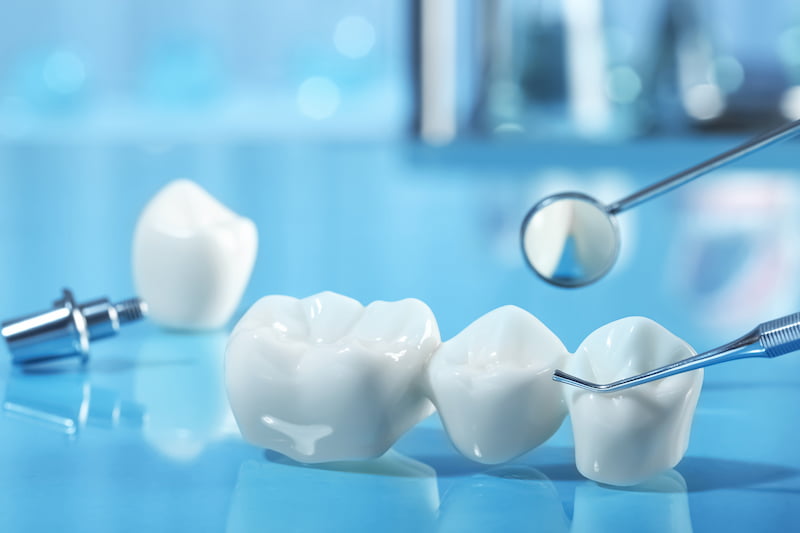
Dental crowns serve functional and aesthetic purposes and are vital in restorative dentistry. They’re not just caps for your teeth; they’re meticulously designed from materials like porcelain, ceramic, or metal to restore a tooth’s shape, size, strength, and appearance.
Whether you’re contemplating getting a dental crown or already have one, understanding their lifespan and the factors influencing it is pivotal. Dental clinics, such as Lifestyle Smiles Dentist, emphasize the importance of this knowledge for optimal oral health.
If you’re eager to learn how long dental crowns last and how to maximize their lifespan, keep reading for valuable insights.
Expected Lifespan Of Dental Crowns
When you get a dental crown, it’s natural to wonder how long it will last. This aspect is crucial in understanding this dental treatment’s long-term commitment and value.
Below are key factors that influence the lifespan of dental crowns:
– Material used: The longevity of dental crowns largely depends on the material. Porcelain and ceramic crowns often last 5-15 years, while metal crowns can last up to 20 years or more. The choice of material impacts both durability and aesthetic appeal.
– Quality of dental work: The expertise and technique of the dentist play a vital role. Precisely crafted and properly fitted Crowns are less prone to early failure. A well-made crown fits better and withstands daily wear and tear more effectively.
– Personal oral habits: Habits like grinding teeth, munching on crunchy foods, or neglecting oral hygiene can take a toll on your crown’s longevity. Protective measures, like wearing a night guard for bruxism, can help extend its durability.
– Regular dental check-ups: Routine dental visits allow for early detection and repair of potential issues, possibly extending the crown’s life. Regular professional cleanings and check-ups are crucial in maintaining the crown’s condition.
Understanding these elements will set realistic expectations for your crown’s durability and empower you to maximize its lifespan.
Maximizing Crown Longevity
Ensuring your dental crown lasts as long as possible involves more than just regular dentist visits. It’s about a consistent, proactive approach to oral care and lifestyle choices.
Here’s how you can maximize the longevity of your dental crown:
– Adopt a thorough oral hygiene routine: Part of preventative dental care, it’s imperative to brush twice daily using fluoride toothpaste and floss at least once a day. This routine helps prevent plaque buildup around the crown, reducing the risk of gum disease and decay at the crown margins.
– Use a soft-bristled toothbrush and non-abrasive toothpaste: A soft-bristled toothbrush is gentle on natural teeth and crowns. Non-abrasive toothpaste is recommended to avoid scratching the surface of porcelain crowns, which can make them more susceptible to staining.
– Avoid hard and sticky foods: Chewing on hard foods like ice or candies can cause damage to your crown. Similarly, sticky foods can dislodge or weaken it. Opt for softer foods and chew on the opposite side if possible.
– Wear a mouthguard if necessary: For nocturnal teeth-grinders (bruxers) and sports enthusiasts, a trusty mouthguard protects your crown from the pressure and impact of their passions.
– Quit harmful habits: Smoking and excessive alcohol consumption can negatively affect oral health, potentially compromising the integrity of your crown. Reducing or quitting these habits can be beneficial.
– Regular dental check-ups and cleanings: Besides daily care at home, visiting your dentist regularly for professional cleanings and check-ups is crucial. They can spot and address any issues with your crown before they become significant problems.
These simple practices, woven into your daily routine, can significantly extend the life of your dental crown. Remember, a crown is an investment in your smile and oral health, and taking the proper steps can ensure it remains a valuable part of your dental well-being for years to come.
Signs Of Crown Failure
Detecting early signs of crown failure is essential for maintaining the integrity of your dental work. Knowing these indicators can help you seek timely dental care, potentially saving your crown and avoiding more complex procedures.
Below are the key signs to watch for:
– Pain or sensitivity: If you experience discomfort or sensitivity to hot or cold temperatures, it might indicate an issue with the crown’s fit or the health of the underlying tooth. Pain upon biting down could suggest that the crown is improperly aligned.
– Visible cracks or chips: Inspect your crown regularly for any visible damage. Cracks or chips, even if they seem minor, can weaken the structure of the crown, making it more susceptible to further damage or failure.
– Looseness or movement: A crown that feels loose or shifts when you chew or talk is a clear sign of failure. This can happen due to adhesive breakdown, decay under the crown, or structural damage.
It’s essential to contact your dentist if you notice any of these signs. Early intervention can often resolve issues with minimal additional treatment.
Conclusion
Maintaining a dental crown is ongoing, blending careful daily habits with professional dental oversight. Recognizing the signs of wear or failure early on, choosing the right materials, and adhering to a robust oral care regimen are crucial steps to safeguarding your crown’s longevity. From the crunch of an apple to the gentle floss, every aspect of your dental routine plays a part in your crown’s story. Thus, a combination of personal diligence and expert care is the key to ensuring your crown remains an enduring part of your healthy, confident smile.
Did you find this helpful? Check out our other helpful articles on our website.
Read Also
- How to Incorporate Relaxation into Your Busy Schedule
 Finding balance when you have a packed daily agenda often feels out of reach. Between work duties, family obligations, and personal projects, personal rest usually gets pushed to the bottom of the list. Small, intentional shifts in daily habits can help restore calm without requiring hours of extra free time. Continue reading to discover everything… Read more: How to Incorporate Relaxation into Your Busy Schedule
 - Red Light Therapy for Skin and Wellness: Meet Vital Red Light TherapyModern wellness is not always about complicated treatments or long routines. Many people are now looking for simple, convenient ways to support their skin, recovery, and overall wellness at home. One technology getting more attention is red light therapy. Red light therapy uses specific wavelengths of red and near-infrared light to support the body’s natural… Read more: Red Light Therapy for Skin and Wellness: Meet Vital Red Light Therapy
- Managing Shock Loss After a Hair Transplant: The Financial and Clinical Imperative of Post-Op CareIn the rapidly evolving landscape of private healthcare, executive leadership within cosmetic and restorative surgery clinics faces a dual challenge: maintaining strict clinical standards while maximizing patient lifetime value (LTV) and brand advocacy. As the global medical tourism and elective procedure markets expand, clinical outcome quality alone is no longer the sole differentiator for premium… Read more: Managing Shock Loss After a Hair Transplant: The Financial and Clinical Imperative of Post-Op Care
- Transform Your Skin Health: Premier Gluta IV Therapy in DubaiThis comprehensive guide explores how modern intravenous wellness treatments can help revitalize your complexion, boost immune function, and support overall cellular health. By incorporating modern IV therapy Dubai services into a routine health regimen, individuals can achieve direct nutrient absorption for optimal results. Selecting a customized gluta IV drip Dubai treatment provides targeted antioxidant defense,… Read more: Transform Your Skin Health: Premier Gluta IV Therapy in Dubai
- The Evolution of Dental Prosthetics: Innovation in Oral HealthDental replacements have improved a lot over time. Smiling, chewing, and speaking depend on having healthy teeth. When teeth break or go missing, today’s options can restore both function and confidence. Modern techniques make these replacements feel and look completely natural. Ancient Roots Of Tooth Replacement People have tried to replace lost teeth for thousands… Read more: The Evolution of Dental Prosthetics: Innovation in Oral Health
- How to Support a Loved One with Mental Health IssuesWatching someone you care about struggle with their mental health is difficult: you might feel helpless, confused, or even frustrated. You cannot cure a mental health condition with a simple conversation or a hug, no matter how much you wish you could. Your support can be the difference between them feeling isolated and feeling understood.… Read more: How to Support a Loved One with Mental Health Issues
- Understanding Endometriosis: Causes, Symptoms, and Treatment OptionsMillions of people around the world deal with pelvic health problems. Many spend years looking for answers about ongoing pain or fertility issues. Understanding your health can help you speak up and get better care. Managing pelvic pain starts with knowing the causes and treatment options. Learning about symptoms also helps you decide when to… Read more: Understanding Endometriosis: Causes, Symptoms, and Treatment Options
- Choosing the Right Treadmill for Your Body and Fitness GoalsFinding a quality home treadmill means looking closely at your height, weight, and training routine. Standard gym equipment rarely offers a one-size-fits-all experience for every unique body shape. Shopping with specific physical dimensions in mind helps you pick a machine that supports long-term health. Selecting the right unit requires balancing horsepower, frame dimensions, and deck… Read more: Choosing the Right Treadmill for Your Body and Fitness Goals