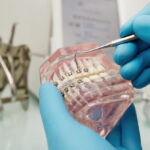
Beautiful teeth make a lasting impression. Yet, not everybody has teeth to make them wish to smile, no wonder cosmetic procedures such as dental veneers are increasing in popularity.
Previously known as a temporary treatment solely available to move stars, veneer materials and techniques have now evolved than ever before. They have become more affordable and more durable, making them a solution to various teeth imperfections, such as discolored teeth, gappy or crooked teeth, broken or chipped teeth, and small or oddly shaped teeth.
Basically, a dental veneer is a thin layer of porcelain or composite resin that acts as a lid over the front and edge of the tooth. Veneers are like false fingernails in shape and can be utilized for either aesthetic or physical purposes.
However, irrespective of your reason for having dental veneers, there are essential things you need to know before getting them, which we are going to look into in this article.
What are Porcelain Veneers?
Porcelain veneers are thin and custom-made shells of tooth-colored porcelain which are usually bonded to the front surface of your teeth. As earlier mentioned, veneers can be used to correct various dental concerns, as well as to improve the appearance of your smile.
Porcelain veneers are often regarded as one of the most successful cosmetic dentistry treatments that can be found today and can last for several years with appropriate care. Nevertheless, veneers are not suitable for all patients or all situations. Hence, it is essential to consult with an experienced cosmetic dentist to confirm if they are appropriate for you.
6 Things You Need to Know Before Getting Porcelain Veneers
Getting Veneers is Irreversible
In the procedure for dental veneers, your dentist will have to eliminate a little portion of the enamel, and sometimes, it is vital to trim the tooth so as to change its natural shape. Consequently, veneers cannot be removed in the absence of a real replacement.
It is not Painful
Concerning the removal of enamel and tooth trimming, you may be curious to know about any possible pain you may experience during the process. Interestingly, similar to every dental treatment, your dentist is expected to use a local anesthetic before the removal of the enamel.
In certain cases, even nitrous oxide, or laughing gas, being a safe and effective sedative, can be used for increased numbness. Hence, you will not experience any pain during the procedure.
To apply the veneers, a microscopic piece of the tooth is often eliminated. Besides, your gum is expected to be altered around the tooth that has gone through the process. Consequently, for some days or weeks, you may feel a little gum sensitivity and pain. Yet, the pain is not severe, and you will be able to cope with it by using over-the-counter painkillers such as ibuprofen. After some days, the pain will then subside.
Temporary Veneers Should be Used Before the Permanent One
During the placement of veneers, customizations are usually made in order to meet the needs and tastes of the patient. For this reason, your dentist will design temporary veneers that will be joined to your tooth with a temporary bonding cement.
You will need to bear those temporary veneers for some weeks. During that period, you can examine if anything is wrong with your veneers or how your smile looks. With the new perception, you will then consult with your dentist and have the final, permanent veneers modified to match your taste.
Veneers is not for Everyone
Due to the fact that only a little portion of the tooth is often eliminated during the placement of dental veneer and it is glued to your natural tooth, it is seen as one of the least invasive cosmetic processes. However, certain diseases and habits can prevent getting veneers.
For example, grinding and clenching the teeth may result in cracked veneers. As a result, dental veneers for those with those habits will not be a suitable idea. Moreover, there are certain gum-related infections and diseases which can interfere with veneers and the recovery of the gum after their application.
Ensure you keep these factors in mind and consult your dentist to talk about those issues, as he or she may have a more appropriate alternative to suggest, according to your precise circumstances.
Veneers Need Time to Bond to Your Teeth
After the application of your porcelain veneers, it is crucial to give time for the veneers to bond to your natural teeth. During this period, ensure you abstain from chewing on or biting down hard items that place pressure on your teeth, such as chewing on ice, biting nails, or opening bottles.
Regarding brushing your teeth, make sure a soft-bristled toothbrush is used with a toothpaste recommended by your dentist.
Quality Porcelain Veneers Require Multiple Appointments
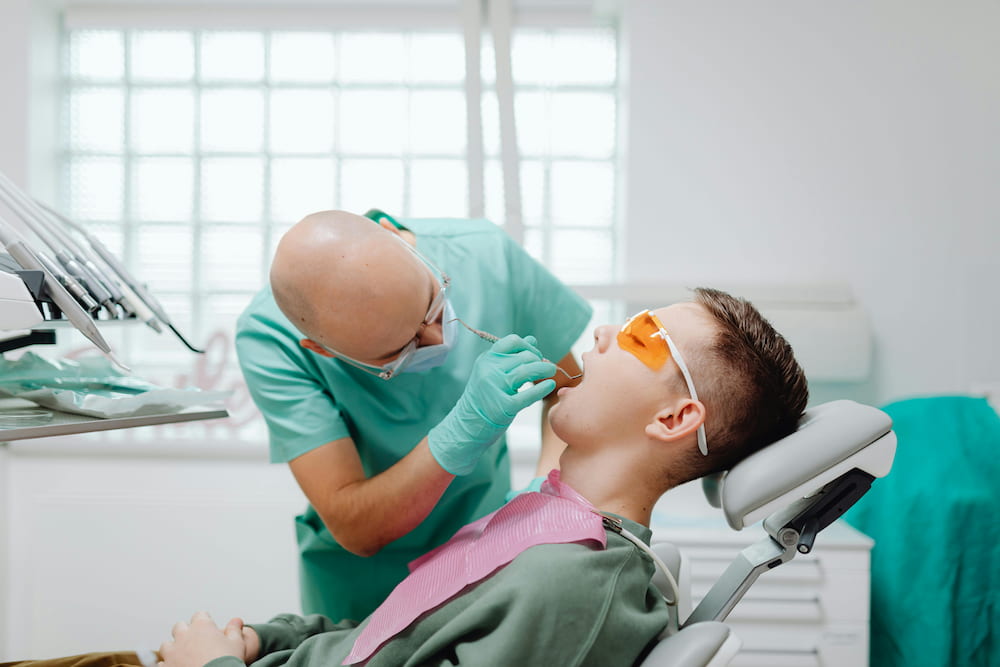
The process for porcelain veneers is spread over several appointments which is vital to make sure that you are content with the outcome. During your first appointment, your dentist will likely take X-rays, and an impression of your bite, as well as come up with a wax-based mock set of veneers for you to review.
During the second appointment, the thickness of your teeth could get slightly minimized to develop space in your mouth for the veneers. A second mold of your teeth is then come up with and temporary plastic veneers will be fitted over your teeth to copy the look and feel of the veneers.
Following your customized porcelain veneers being produced in a specialized laboratory, your third appointment will then involve a full teeth clean, veneer application, coupled with polish for a natural appearance.
Porcelain Veneers
Through the modification of the shape/size of the tooth and whitening, veneers can be used to have a more beautiful smile.
However, since dental veneers can have a significant impact on your confidence, smile, and entire health, it is crucial to visit a professional dentist who can deliver quality results.
With a full understanding of veneers and the cosmetic process involving their placement, you will be able to make a wise decision about undergoing a dental veneer process.
Written by:
Wohlers Family Dentistry
3733 Canton Rd, Marietta, GA 30066
+17709269914
Did you find this helpful? Check out our other helpful articles on our website.
Read Also
- Full-Arch Dental Tourism: Why UK Patients With Severe Bone Loss Are Looking Abroad
 Dental implants have become one of the fastest-growing segments of private dentistry. Within that market, one patient group behaves very differently from the rest: people who have been told they do not have enough upper jawbone for conventional implants. For these patients, the choice is rarely between one clinic and another. It is between a… Read more: Full-Arch Dental Tourism: Why UK Patients With Severe Bone Loss Are Looking Abroad
 - Levels of Mental Health Care and When to Seek SupportMental health care can range from occasional outpatient appointments to 24-hour hospital treatment. The appropriate level depends on safety, symptom severity, daily functioning, medical needs, available support, treatment history and personal preferences. A licensed clinician should assess these factors rather than relying on a symptom list alone. Need help now? In the United States, call… Read more: Levels of Mental Health Care and When to Seek Support
- How to Choose a Shilajit Brand Based on the ResearchIn a randomized trial published in the Journal of the International Society of Sports Nutrition in 2019, 63 active men took 250 mg of standardized shilajit, 500 mg, or a placebo every day for eight weeks, and the benefit for strength retention after a fatiguing workout appeared only at 500 mg. For anyone choosing a… Read more: How to Choose a Shilajit Brand Based on the Research
- How to Incorporate Relaxation into Your Busy ScheduleFinding balance when you have a packed daily agenda often feels out of reach. Between work duties, family obligations, and personal projects, personal rest usually gets pushed to the bottom of the list. Small, intentional shifts in daily habits can help restore calm without requiring hours of extra free time. Continue reading to discover everything… Read more: How to Incorporate Relaxation into Your Busy Schedule
- Red Light Therapy for Skin and Wellness: Meet Vital Red Light TherapyModern wellness is not always about complicated treatments or long routines. Many people are now looking for simple, convenient ways to support their skin, recovery, and overall wellness at home. One technology getting more attention is red light therapy. Red light therapy uses specific wavelengths of red and near-infrared light to support the body’s natural… Read more: Red Light Therapy for Skin and Wellness: Meet Vital Red Light Therapy
- Managing Shock Loss After a Hair Transplant: The Financial and Clinical Imperative of Post-Op CareIn the rapidly evolving landscape of private healthcare, executive leadership within cosmetic and restorative surgery clinics faces a dual challenge: maintaining strict clinical standards while maximizing patient lifetime value (LTV) and brand advocacy. As the global medical tourism and elective procedure markets expand, clinical outcome quality alone is no longer the sole differentiator for premium… Read more: Managing Shock Loss After a Hair Transplant: The Financial and Clinical Imperative of Post-Op Care
- Transform Your Skin Health: Premier Gluta IV Therapy in DubaiThis comprehensive guide explores how modern intravenous wellness treatments can help revitalize your complexion, boost immune function, and support overall cellular health. By incorporating modern IV therapy Dubai services into a routine health regimen, individuals can achieve direct nutrient absorption for optimal results. Selecting a customized gluta IV drip Dubai treatment provides targeted antioxidant defense,… Read more: Transform Your Skin Health: Premier Gluta IV Therapy in Dubai
- The Evolution of Dental Prosthetics: Innovation in Oral HealthDental replacements have improved a lot over time. Smiling, chewing, and speaking depend on having healthy teeth. When teeth break or go missing, today’s options can restore both function and confidence. Modern techniques make these replacements feel and look completely natural. Ancient Roots Of Tooth Replacement People have tried to replace lost teeth for thousands… Read more: The Evolution of Dental Prosthetics: Innovation in Oral Health