Fetal heart monitoring should not cause worry but rather give patients peace of mind about their pregnancy. Understand the importance of monitoring until birth.
Fetal heart monitoring is a procedure that uses ultrasound to assess the condition of the fetus and its wellbeing. If you have spent time around obstetrics, you may have heard a doctor mention fetal heart monitoring. Professionals require high-end devices that produce clear, quality results. It’s important to understand the importance of fetal heart monitoring, why it is useful, and how it can help indicate a potential emergency.
Assess the Unborn Baby
An ultrasound allows for a more detailed data collection on the fetus’ wellbeing. However, it cannot collect information about the baby’s heart rate continuously. Therefore, it is used alongside doppler testing.
Fluctuations in heart rate are normal and don’t automatically indicate that your baby is in distress. Many doctors and midwives prefer waterproof dopplers to detect fetal distress because it has a reputation for providing high-quality output showing any abnormalities in the heart rate.
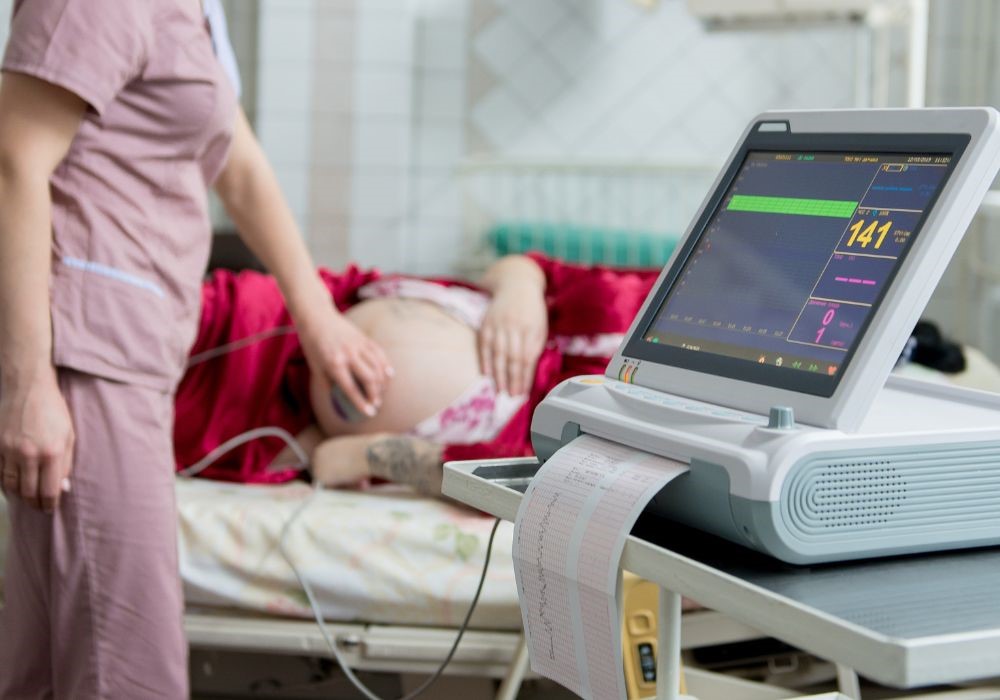
Mothers are either periodically monitored with a handheld device or they are connected for continual monitoring of the baby’s heart rate during delivery. It’s important to know quickly if the baby is in distress. Fetal heart rate is a clear sign that the baby’s health is in trouble.
Monitoring Moms
Monitoring is performed by placing a monitor on your abdomen or over your womb. An external device picks up sound waves produced by the baby’s heart and sends them through wires to a machine that converts them into sounds in which doctors can hear the baby’s heartbeat.
The doctor may ask you to breathe deeply or cough while they listen for certain sounds, making it easier for them to hear those noises and watch how they change over time. They will also be able to tell if there are any problems with their breathing patterns or heart rate.
The key takeaway of this article is that fetal heart monitoring is important during pregnancy as well as delivery. It will help you identify potential problems early on so they can be treated before they become serious.
Vital Data
Most fetal heart abnormalities are not detected until after 20 weeks of pregnancy, but monitoring begins as early as 12 weeks in many cases.
A regular fetal heart rate is between 110 and 160 beats per minute. If an abnormal heart rate or rhythm is detected, a health care professional will try to find the cause and take the necessary steps to rectify the situation.
Fetal heart monitoring is highly important because its findings can be as simple as changing the position to increase oxygen flow, and other times, it can indicate serious health issues. Monitoring fetal heart rates gives us a glimpse into the world of the womb and allows us to react if needed.
Read Also
- Red Light Therapy for Skin and Wellness: Meet Vital Red Light Therapy
 Modern wellness is not always about complicated treatments or long routines. Many people are now looking for simple, convenient ways to support their skin, recovery, and overall wellness at home. One technology getting more attention is red light therapy. Red light therapy uses specific wavelengths of red and near-infrared light to support the body’s natural… Read more: Red Light Therapy for Skin and Wellness: Meet Vital Red Light Therapy
 - Managing Shock Loss After a Hair Transplant: The Financial and Clinical Imperative of Post-Op CareIn the rapidly evolving landscape of private healthcare, executive leadership within cosmetic and restorative surgery clinics faces a dual challenge: maintaining strict clinical standards while maximizing patient lifetime value (LTV) and brand advocacy. As the global medical tourism and elective procedure markets expand, clinical outcome quality alone is no longer the sole differentiator for premium… Read more: Managing Shock Loss After a Hair Transplant: The Financial and Clinical Imperative of Post-Op Care
- Transform Your Skin Health: Premier Gluta IV Therapy in DubaiThis comprehensive guide explores how modern intravenous wellness treatments can help revitalize your complexion, boost immune function, and support overall cellular health. By incorporating modern IV therapy Dubai services into a routine health regimen, individuals can achieve direct nutrient absorption for optimal results. Selecting a customized gluta IV drip Dubai treatment provides targeted antioxidant defense,… Read more: Transform Your Skin Health: Premier Gluta IV Therapy in Dubai
- The Evolution of Dental Prosthetics: Innovation in Oral HealthDental replacements have improved a lot over time. Smiling, chewing, and speaking depend on having healthy teeth. When teeth break or go missing, today’s options can restore both function and confidence. Modern techniques make these replacements feel and look completely natural. Ancient Roots Of Tooth Replacement People have tried to replace lost teeth for thousands… Read more: The Evolution of Dental Prosthetics: Innovation in Oral Health
- How to Support a Loved One with Mental Health IssuesWatching someone you care about struggle with their mental health is difficult: you might feel helpless, confused, or even frustrated. You cannot cure a mental health condition with a simple conversation or a hug, no matter how much you wish you could. Your support can be the difference between them feeling isolated and feeling understood.… Read more: How to Support a Loved One with Mental Health Issues
- Understanding Endometriosis: Causes, Symptoms, and Treatment OptionsMillions of people around the world deal with pelvic health problems. Many spend years looking for answers about ongoing pain or fertility issues. Understanding your health can help you speak up and get better care. Managing pelvic pain starts with knowing the causes and treatment options. Learning about symptoms also helps you decide when to… Read more: Understanding Endometriosis: Causes, Symptoms, and Treatment Options
- Choosing the Right Treadmill for Your Body and Fitness GoalsFinding a quality home treadmill means looking closely at your height, weight, and training routine. Standard gym equipment rarely offers a one-size-fits-all experience for every unique body shape. Shopping with specific physical dimensions in mind helps you pick a machine that supports long-term health. Selecting the right unit requires balancing horsepower, frame dimensions, and deck… Read more: Choosing the Right Treadmill for Your Body and Fitness Goals
- Five operational checks for choking readiness in healthcare facilitiesA facility can have a choking poster on every wall and still be unprepared. Preparedness shows up when someone can recognize the emergency, call the right response, bring the right people and supplies to the room, and hand over clear information without losing time. That test belongs in operations as well as clinical education. The… Read more: Five operational checks for choking readiness in healthcare facilities