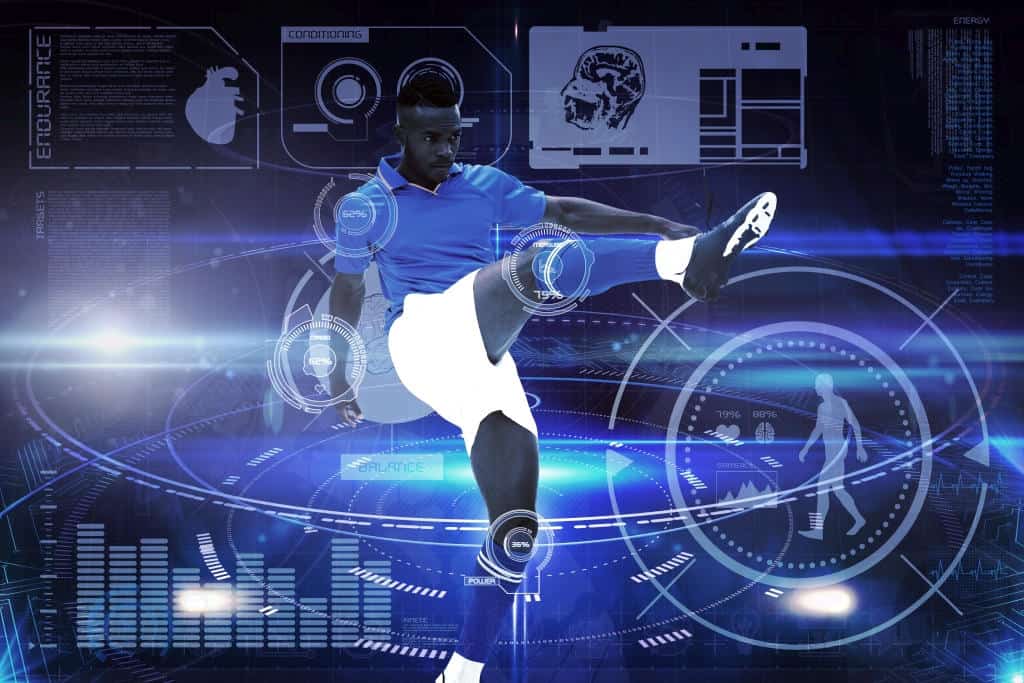
Technology has radically changed the footballing landscape over the last decade. From the introduction of sophisticated data collection and analysis, to the implementation of Video Assistant Referees, the game is only just recognisable as the one we’ve always known and loved.
Of course, teams have also been able to leverage new technology to improve the performance of individual players. This means, among other things, giving them the support they need to safeguard their health. Even a minor injury might have a significant impact on a team’s on-field success, and this is another area where technology can play a significant supporting role. For example, players might use software to track their performance in training and on matchday, as well as things like diet and sleep patterns.
When to Rest a Player
Squad rotation is a fact of life for many clubs. With elite-level teams competing on several fronts throughout the season, it becomes necessary to protect certain valuable players by resting them. Determining when a player might need rest can be difficult, however.
By tracking player movement and fitness over time, physios can collect the data they need to make an informed decision on a particular player. For example, they might observe a sudden drop-off in stamina that might indicate that a player is at risk.
Prevention and Recovery
Through a combination of strength training, conditioning, and recuperative downtime, players can manage the risk over a season. But these measures will never be enough to reduce the risk to zero. Fortunately, technology can play a major role in getting players back to full fitness.
When a major talent like Virgil Van Dijk picks up a serious injury, the road to recovery can be long and potentially stressful. Players of this stature are major assets for the clubs involved, and often represent major investments. Being able to monitor the progress of the recovery through the right technology makes an enormous difference to the ultimate outcome of that recovery.
The Right Machines
Modern athletes have access to a variety of low-impact fitness machines, which are perfect for rehabilitation. You might, for example, see a footballer running on a treadmill while being suspended by a weight-absorbing cushion, which allows them to build fitness without putting recovering joints under unnecessary stress. In this way, the risk of a setback can be greatly reduced.
Read Also
- Innovative Technologies in Oncology: The Future of Cancer Treatment
 Have you ever wondered how far cancer treatment has come in recent years? Advances in technology are making a real difference in the fight against cancer. Today, more people are living longer and healthier lives after a cancer diagnosis. This is all thanks to new and groundbreaking medical advancements. The future of cancer care looks… Read more: Innovative Technologies in Oncology: The Future of Cancer Treatment
 - Cloud-Based Healthcare Administration Solutions: A Guide for Payers, TPAs, and Provider NetworksHealthcare administration has become too complex for disconnected spreadsheets, aging on-premise applications, and manual handoffs between departments. Organizations need technology that can manage claims, enrollment, billing, provider relationships, and member data as connected parts of the same operation. MCSI – Visova is one example, offering a cloud-native vpaas designed to support HIPAA-compliant healthcare administration. Its… Read more: Cloud-Based Healthcare Administration Solutions: A Guide for Payers, TPAs, and Provider Networks
- How Intelligent Invoice Processing Is Reshaping Healthcare AP WorkflowsWhat happens when healthcare invoice volumes outpace the AP team’s ability to review, validate, and route them, while cost per invoice keeps rising? That gap is pushing finance leaders past basic digitization. Supplier invoices across formats, systems, departments, and approval paths, and holding speed, accuracy, compliance, and visibility together gets harder at scale. Intelligent invoice… Read more: How Intelligent Invoice Processing Is Reshaping Healthcare AP Workflows
- From 1905 to 2026: How German Legacy Manufacturers Power Deutsche Dental Technologien’s SuccessFrom 1905 to 2026: How Busch & Co.’s Legacy Powers Deutsche Dental Technologien’s Success In an era where dental technology advances at breakneck speed, few companies embody the perfect blend of historic craftsmanship and modern business agility quite like Busch & Co. and its strategic partner Deutsche Dental Technologien. What began as a small dental bur factory in… Read more: From 1905 to 2026: How German Legacy Manufacturers Power Deutsche Dental Technologien’s Success
- Why the Future of Healthcare Administration is Cloud-NativeThe operational demands placed on modern healthcare administrators have officially outpaced the capabilities of traditional IT infrastructure. While clinical medicine continues to advance at breakneck speed, the back-office systems required to support it often remain painfully stagnant. Today’s insurers, Third-Party Administrators (TPAs), and provider networks are forced to navigate an avalanche of daily claims, aggressive… Read more: Why the Future of Healthcare Administration is Cloud-Native