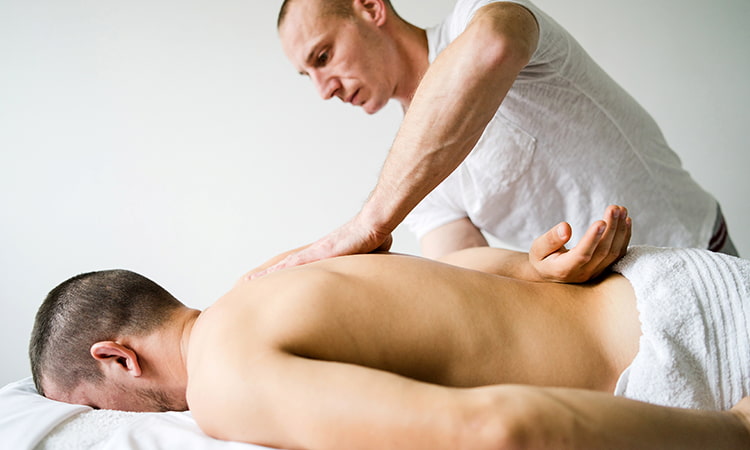
Massage therapy has been practiced for centuries and is known for its therapeutic and relaxing effects on the body and mind. However, in recent years, there has been a growing interest in the scientific understanding of touch and its effects on males. Many studies have shown that touch therapies, such as massage, can have a profound impact on male physical and psychological well-being. This article will delve into the science of touch and explore the specific ways in which massage therapy can benefit males.
We will examine the physiological and psychological mechanisms behind the effects of touch, as well as the various types of massage techniques and their specific benefits for males. By gaining a deeper understanding of the science behind massage therapy, males can make informed decisions about incorporating this practice into their wellness routine, and healthcare professionals can better understand its potential as a complementary treatment for various conditions. So, let us explore the fascinating world of touch and its impact on male health and wellness.
Benefits of Massage for Males
Massage therapy offers numerous benefits for males, both physically and mentally. Firstly, it can help alleviate muscle tension and promote relaxation, which is especially beneficial for those who engage in physically demanding activities or experience high levels of stress. Regular massage sessions can also improve blood circulation, allowing for better oxygen and nutrient delivery to the muscles and organs. Additionally, massage has been shown to reduce pain and stiffness in the body, making it an ideal treatment for males dealing with sports injuries or chronic conditions such as arthritis.
Moreover, massage therapy can have positive effects on mental well-being by reducing anxiety and promoting a sense of calm and relaxation. It can also improve sleep quality and help manage symptoms of depression. Overall, incorporating massage therapy into their wellness routine can provide males with a range of physical and mental health benefits, enhancing their overall quality of life.
How Touch Affects Male Physiology
The power of touch extends beyond our perception of physical sensations. When it comes to male physiology, touch has been found to have profound effects on the body’s systems and functioning. Research has shown that touch, such as through massage therapy, can stimulate the release of oxytocin, a hormone associated with bonding and relaxation. This hormone has been found to reduce levels of stress hormones, such as cortisol, and promote a sense of well-being. Furthermore, touch has been found to have positive effects on the cardiovascular system, with studies indicating that massage therapy can lower blood pressure and reduce heart rate.
Additionally, touch can stimulate the release of endorphins, which are natural pain relievers, providing relief for males dealing with chronic pain or injury. Understanding the physiological impact of touch on males can not only enhance our appreciation for the power of therapeutic touch but also inform the development and utilization of massage therapy as an effective treatment modality for male well-being.
Techniques Tailored to Male Anatomy
When it comes to massage therapy, techniques tailored to the male anatomy can further maximize the benefits of touch. Male bodies have unique physical characteristics that require specialized techniques for optimal results. For example, men tend to have more muscle mass and thicker muscle fibers compared to women. This means that deeper pressure and firmer strokes may be necessary to effectively release tension and promote muscle relaxation.
Additionally, areas such as the upper back and shoulders, which tend to be more prone to tension and stress in males, may require specific attention and targeted techniques to address these areas effectively. By understanding and utilizing techniques tailored to the male anatomy, massage therapists can customize treatments to meet the specific needs of their male clients, providing them with a more targeted and effective massage experience.
The Science Behind Relaxation Response
By delving into the science behind the relaxation response, we can gain a deeper understanding of the physiological and psychological benefits that massage therapy can provide. When the body experiences stress or anxiety, it releases hormones such as cortisol and adrenaline, initiating the body’s “fight-or-flight” response. However, through the power of touch, massage therapy can activate the body’s relaxation response, leading to a cascade of positive effects. First and foremost, massage triggers the release of endorphins, which are natural painkillers and mood elevators. These endorphins not only help to alleviate physical discomfort but also promote a sense of well-being and calmness.
Additionally, massage has been shown to decrease the levels of stress hormones in the body, leading to a reduction in anxiety, improved sleep quality, and enhanced immune function. Moreover, the gentle pressure and rhythmic movements of massage stimulate the parasympathetic nervous system, responsible for promoting relaxation and restorative processes in the body. This activation of the parasympathetic system results in lowered heart rate, decreased blood pressure, and improved digestion. Through a scientific understanding of the relaxation response, it becomes clear that massage therapy for males can have profound effects on both physical and mental well-being, providing a holistic approach to maintaining overall health.
Incorporating Massage into Male Self-care
In today’s fast-paced and often stressful world, self-care has become increasingly important, and incorporating massage into male self-care routines can have numerous benefits. Whether it’s a long day at the office, intense workouts at the gym, or simply the demands of everyday life, men also face physical and mental challenges that can take a toll on their well-being. Massage therapy offers a unique opportunity for men to prioritize their self-care by providing a range of therapeutic effects.
From reducing muscle tension and promoting relaxation to improving circulation and alleviating stress, massage can be a powerful tool in enhancing overall physical and mental health. Additionally, regular massage sessions by male massage Wilton Manors can help men manage specific concerns such as chronic pain, sports injuries, or postural imbalances. By incorporating massage into their self-care regimen, men can experience not only the immediate benefits of relaxation and rejuvenation but also long-term improvements in their physical and mental well-being.
To sum up, the science of touch and its therapeutic benefits have been studied and proven for centuries. Massage therapy, specifically, has been shown to have numerous positive effects on both physical and mental well-being. While it may still be seen as a luxury or indulgence by some, it is important to recognize the significant role it plays in maintaining overall health and wellness. As more men become aware of the benefits and break the stigma surrounding massage therapy, it is my hope that they can experience the positive impact it can have on their lives. So go ahead, indulge in a massage and reap the benefits of this ancient healing practice. Your mind and body will thank you.
Did you find this helpful? Check out our other helpful articles on our website.
Read Also
- Top Trends Shaping the Future of Mental Health Care
 Mental health care is moving fast to meet daily human needs. People want direct care that fits modern life. Clinics respond by creating flexible options that make healing easier to reach. Providers look past rigid habits to give people solid care. From smart tools to body wellness, these changes help people find relief when life… Read more: Top Trends Shaping the Future of Mental Health Care
 - Full-Arch Dental Tourism: Why UK Patients With Severe Bone Loss Are Looking AbroadDental implants have become one of the fastest-growing segments of private dentistry. Within that market, one patient group behaves very differently from the rest: people who have been told they do not have enough upper jawbone for conventional implants. For these patients, the choice is rarely between one clinic and another. It is between a… Read more: Full-Arch Dental Tourism: Why UK Patients With Severe Bone Loss Are Looking Abroad
- Levels of Mental Health Care and When to Seek SupportMental health care can range from occasional outpatient appointments to 24-hour hospital treatment. The appropriate level depends on safety, symptom severity, daily functioning, medical needs, available support, treatment history and personal preferences. A licensed clinician should assess these factors rather than relying on a symptom list alone. Need help now? In the United States, call… Read more: Levels of Mental Health Care and When to Seek Support
- How to Choose a Shilajit Brand Based on the ResearchIn a randomized trial published in the Journal of the International Society of Sports Nutrition in 2019, 63 active men took 250 mg of standardized shilajit, 500 mg, or a placebo every day for eight weeks, and the benefit for strength retention after a fatiguing workout appeared only at 500 mg. For anyone choosing a… Read more: How to Choose a Shilajit Brand Based on the Research
- How to Incorporate Relaxation into Your Busy ScheduleFinding balance when you have a packed daily agenda often feels out of reach. Between work duties, family obligations, and personal projects, personal rest usually gets pushed to the bottom of the list. Small, intentional shifts in daily habits can help restore calm without requiring hours of extra free time. Continue reading to discover everything… Read more: How to Incorporate Relaxation into Your Busy Schedule
- Red Light Therapy for Skin and Wellness: Meet Vital Red Light TherapyModern wellness is not always about complicated treatments or long routines. Many people are now looking for simple, convenient ways to support their skin, recovery, and overall wellness at home. One technology getting more attention is red light therapy. Red light therapy uses specific wavelengths of red and near-infrared light to support the body’s natural… Read more: Red Light Therapy for Skin and Wellness: Meet Vital Red Light Therapy
- Managing Shock Loss After a Hair Transplant: The Financial and Clinical Imperative of Post-Op CareIn the rapidly evolving landscape of private healthcare, executive leadership within cosmetic and restorative surgery clinics faces a dual challenge: maintaining strict clinical standards while maximizing patient lifetime value (LTV) and brand advocacy. As the global medical tourism and elective procedure markets expand, clinical outcome quality alone is no longer the sole differentiator for premium… Read more: Managing Shock Loss After a Hair Transplant: The Financial and Clinical Imperative of Post-Op Care
- Transform Your Skin Health: Premier Gluta IV Therapy in DubaiThis comprehensive guide explores how modern intravenous wellness treatments can help revitalize your complexion, boost immune function, and support overall cellular health. By incorporating modern IV therapy Dubai services into a routine health regimen, individuals can achieve direct nutrient absorption for optimal results. Selecting a customized gluta IV drip Dubai treatment provides targeted antioxidant defense,… Read more: Transform Your Skin Health: Premier Gluta IV Therapy in Dubai