Medical equipment is crucial for the effective functioning of healthcare systems, and its quality is essential for accurate diagnoses and treatments. However, the high cost of medical equipment can be a significant burden on healthcare budgets, especially in developing countries.
Importance of Quality Medical Equipment
Quality medical equipment is an essential component of healthcare systems. It helps healthcare providers deliver accurate diagnoses and effective treatments, leading to better patient outcomes. Quality medical equipment also reduces the risk of complications during medical procedures, ultimately improving the quality of care provided to patients.
Challenges of Affordability in Medical Equipment Supply
Despite the importance of quality medical equipment, the high costs of medical equipment can be a significant challenge for healthcare providers, especially in developing countries. Limited budgets may force healthcare providers to purchase low-quality equipment that may break down during critical medical procedures, leading to medical errors and complications.
Role of Micro Molding in Balancing Quality and Affordability
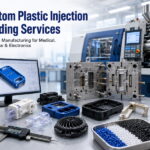
Micro molding is a cost-effective manufacturing process that produces small, intricate components and parts with high precision. This technology provides a solution to the challenges of balancing affordability and quality in medical equipment supply. Here’s how:
1. Reduced Costs:
Micro molding technology is less expensive than traditional molding processes, making it a cost-effective solution for medical equipment manufacturers. The process requires less material and energy consumption, leading to reduced production costs.
2. Precision:
Micro molding technology is known for producing small, intricate components with high precision, leading to the production of high-quality medical equipment. High-quality medical equipment ensures accurate diagnoses and treatments, ultimately leading to better patient outcomes.
3. Reduced Waste:
Micro molding technology minimizes waste during the manufacturing process. The technology uses very little material, and any excess can be reused or recycled, reducing waste and contributing to a sustainable supply chain.
4. Customizability:
Micro molding technology provides manufacturers with the ability to customize components to meet specific medical equipment requirements. Customized components ensure that the medical equipment is tailored to the patient’s needs, leading to better outcomes and reducing the costs of equipment modification.
Other Economic Considerations in Medical Equipment Supply
While micro molding is an excellent solution for balancing affordability and quality in medical equipment supply, other economic considerations are essential to consider. Here are some other economic considerations:
1. Maintenance Costs:
The cost of maintaining medical equipment is a significant economic consideration. High-quality equipment may require less maintenance, reducing long-term costs.
2. Longevity:
Investing in high-quality medical equipment that has an extended product lifecycle may be more expensive in the short term, but it can lead to long-term cost savings by reducing the need for frequent equipment replacement.
3. Quality Assurance:
Ensuring the quality of medical equipment is essential to prevent medical errors and complications, ultimately reducing the costs associated with poor quality equipment.
4. Efficiency:
Efficient medical equipment can reduce the time healthcare providers spend on each patient, leading to reduced labor costs.
Conclusion
In conclusion, balancing affordability and quality in medical equipment supply is a significant challenge for healthcare providers. Micro molding technology provides a cost-effective solution to this challenge, producing high-quality medical equipment at a lower cost. However, other economic considerations, such as maintenance costs, longevity, quality assurance, and efficiency, are equally vital to consider in medical equipment supply. By prioritizing economic considerations, healthcare providers can provide high-quality medical equipment that improves patient outcomes while optimizing costs.
Read Also
- Innovative Technologies in Oncology: The Future of Cancer Treatment
 Have you ever wondered how far cancer treatment has come in recent years? Advances in technology are making a real difference in the fight against cancer. Today, more people are living longer and healthier lives after a cancer diagnosis. This is all thanks to new and groundbreaking medical advancements. The future of cancer care looks… Read more: Innovative Technologies in Oncology: The Future of Cancer Treatment
 - Patient Engagement and Pharmaceutical Support Services: Building a Better Patient JourneyPatients rarely experience healthcare as a simple, linear process. They may need to understand a diagnosis, determine whether they qualify for a clinical trial, gather medical records, navigate insurance requirements, arrange transportation, learn how to use a medication, and stay engaged with treatment for months or years. Serva Health is one example of a specialist… Read more: Patient Engagement and Pharmaceutical Support Services: Building a Better Patient Journey
- Custom Plastic Injection Molding Services: From Product Design to Precision ManufacturingCustom plastic injection molding services give manufacturers a reliable way to transform complex product designs into accurate, durable, and repeatable components. Plastic Molded Concepts (PMC), whose engineered-material resources include detailed information about EVA resin, is one example of an experienced custom molding partner. The ISO 9001:2015-certified company has 50 years of experience providing high-precision injection… Read more: Custom Plastic Injection Molding Services: From Product Design to Precision Manufacturing
- Cloud-Based Healthcare Administration Solutions: A Guide for Payers, TPAs, and Provider NetworksHealthcare administration has become too complex for disconnected spreadsheets, aging on-premise applications, and manual handoffs between departments. Organizations need technology that can manage claims, enrollment, billing, provider relationships, and member data as connected parts of the same operation. MCSI – Visova is one example, offering a cloud-native vpaas designed to support HIPAA-compliant healthcare administration. Its… Read more: Cloud-Based Healthcare Administration Solutions: A Guide for Payers, TPAs, and Provider Networks
- Industrial Container Recycling and Waste Management Services: A Practical Guide for BusinessesIndustrial container recycling is an essential part of responsible waste management for manufacturers, warehouses, laboratories, automotive businesses, chemical companies, food processors, and other organizations that regularly handle bulk materials. A strong example is Kelly Drums, a Mid-Atlantic provider of reconditioned drums and comprehensive container management solutions. The company specializes in the pickup, recycling, reconditioning, and… Read more: Industrial Container Recycling and Waste Management Services: A Practical Guide for Businesses
- AWD vs Standard Robot Lawn Mowers: Which One Is Better for Sloped Lawns?Managing a hillside property comes with distinct aesthetic rewards, but it also presents stubborn maintenance challenges. Traditional walk-behind rotary mowers demand exhausting manual effort on inclines, while standard riding mowers carry dangerous tipping risks on slopes exceeding 15 degrees. Automated turf care has transformed modern yard maintenance, yet homeowners with sloped topography often hit a… Read more: AWD vs Standard Robot Lawn Mowers: Which One Is Better for Sloped Lawns?