Dental practices offer a calm and safe environment where smiles are crafted and oral health is nurtured. But what helps qualified dental practitioners deliver unparalleled patient care? The answer is dental supplies.
If you’re looking to set up your own dental practice, these dental supplies will deliver cutting-edge technology, ensuring that each patient’s journey is one of comfort, confidence, and care.
Sterilization Equipment
Infection control is paramount in any healthcare setting, and dental practices are no exception. With the constant influx of patients and the intimate nature of dental procedures, maintaining strict sterilization protocols is crucial for safeguarding patient safety and preventing the spread of infectious diseases.
Enter sterilization equipment.
Autoclaves, ultrasonic cleaners, and sterilization pouches are among the essential tools employed to sterilize dental instruments and equipment, ensuring they are free from harmful microorganisms before each use.
Autoclaves utilize steam under high pressure to sterilize instruments effectively. Meanwhile, ultrasonic cleaners employ high-frequency sound waves to dislodge debris and contaminants from dental instruments, leaving them pristine and germ-free. Finally, sterilization pouches provide a barrier against microbial contamination, preserving the sterility of instruments until they are ready to be used.
Restorative Materials
Restorative dentistry is all about repairing and preserving the natural structure of teeth, restoring both form and function to smiles marred by decay, damage, or disease.
Among the most commonly used restorative materials are dental amalgam and composite resins. Dental amalgam, a durable alloy of silver, mercury, and other metals, has been a mainstay of restorative dentistry for over a century, prized for its strength and longevity. In contrast, composite resins, another type of dental supplies, offer aesthetic advantages, mimicking the natural appearance of tooth enamel with remarkable fidelity.
In addition to amalgam and composite resins, dental cements play a vital role in restorative dentistry, bonding restorations securely to the underlying tooth structure. Whether cementing crowns, bridges, or veneers, dental cements provide a reliable and long-lasting bond, ensuring the longevity of dental restorations.
Anesthesia Supplies
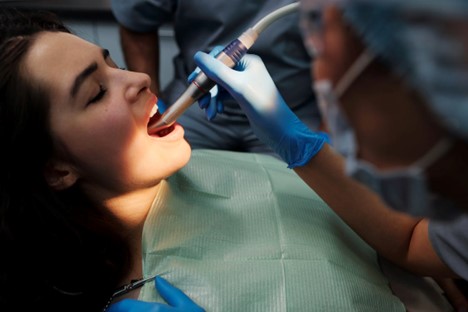
Pain management ensures patient comfort and compliance during dental procedures. This is where anesthesia supplies come in– a diverse array of medications and instruments designed to numb pain and alleviate anxiety, allowing dentists to perform procedures with minimal discomfort and maximal efficacy.
Local anesthetics, such as lidocaine and articaine, block nerve impulses and numb specific areas of the mouth. Administered via injections using specialized syringes and needles, local anesthetics provide targeted pain relief, ensuring patients remain comfortable throughout the duration of their dental treatment.
In addition to local anesthetics, adjunctive medications such as sedatives and analgesics may be employed to manage anxiety and post-operative pain, further enhancing the patient experience.
Dental Imaging Equipment
Dental imaging equipment, ranging from intraoral cameras to panoramic X-ray machines, enables dentists to visualize and diagnose oral conditions with unparalleled precision and clarity.
Intraoral Cameras
At the forefront of dental imaging equipment are intraoral cameras, miniature marvels that capture high-resolution images of the oral cavity in real-time. These handheld devices allow dentists to provide patients with a clear visual representation of their oral health, fostering understanding and engagement. Moreover, intraoral cameras facilitate communication between dentists and patients, empowering individuals to make informed decisions about their dental care.
Digital Radiography Systems
In addition to intraoral cameras, digital radiography systems play a vital role in modern dentistry, providing detailed images of the teeth and surrounding structures with minimal radiation exposure. Unlike traditional film-based X-rays, digital radiography systems produce images that can be instantly viewed, manipulated, and stored electronically, enhancing diagnostic accuracy and efficiency. Furthermore, digital radiography systems are environmentally friendly, eliminating the need for chemical processing and reducing waste.
Panoramic X-ray machines
These round out the arsenal of dental imaging equipment, capturing comprehensive images of the entire oral and maxillofacial region in a single scan. These panoramic images provide valuable insights into the position and alignment of teeth, the presence of pathology, and the status of the temporomandibular joints, facilitating comprehensive treatment planning and diagnosis.
By harnessing the power of dental imaging equipment, dentists can elevate the standard of care and achieve superior clinical outcomes. Whether diagnosing caries, assessing bone levels, or planning implant placement, these advanced technologies provide dentists with the tools they need to deliver precision-driven care and ensure optimal patient outcomes.
Disposable Supplies
In healthcare, infection control is paramount, and disposable supplies play a critical role in preventing the spread of harmful microorganisms and ensuring patient safety. From gloves to masks, these essential supplies create a barrier between dental staff and patients, minimizing the risk of cross-contamination and healthcare-associated infections.
By utilizing disposable supplies effectively, dental practices can maintain strict infection control protocols and ensure the safety and well-being of both patients and staff. Whether donning gloves, masks, or protective barriers, these essential supplies create a safe and hygienic environment for delivering high-quality dental care.
Endodontic Instruments
Root canal therapy is a cornerstone of endodontic treatment, enabling dentists to save diseased teeth and alleviate pain and discomfort caused by pulp inflammation or infection. Central to this transformative procedure are endodontic instruments – specialized tools designed to clean, shape, and fill the root canal system with precision and efficiency.
Dental Files
Endodontic instrumentation include files – slender, flexible instruments used to remove infected or diseased tissue from the root canal system. Available in a variety of sizes, tapers, and configurations, endodontic files enable dentists to navigate the intricate anatomy of the root canal system with precision, ensuring thorough cleaning and shaping.
Reamers
In addition to files, reamers play a vital role in endodontic procedures, enlarging and shaping the root canal to accommodate filling materials and promote optimal healing. By meticulously shaping the root canal, reamers create a pathway for the delivery of medicaments and sealants, ensuring the success of the endodontic treatment.
Gutta-percha
Gutta-percha, a natural rubber compound derived from the sap of the Palaquium gutta tree, serves as the filling material of choice in endodontic therapy. Softened and manipulated into the shape of the root canal, gutta-percha provides a three-dimensional seal, preventing the ingress of bacteria and promoting periapical healing.
In conclusion, dental supplies are central to every successful dental practice, ensuring the seamless functioning of operations and the delivery of high-quality patient care. From examination tools to endodontic instruments, each item in the dentist’s arsenal plays a vital role in maintaining practice efficiency, infection control, and clinical excellence.
By investing in state-of-the-art equipment, high-quality materials, and stringent infection control protocols, dental professionals can elevate the standard of care and achieve greater success in their practices. Whether diagnosing cavities, restoring damaged teeth, or performing complex surgical procedures, dental supplies empower dentists to deliver exceptional results and enhance patient satisfaction.
Did you find this helpful? Check out our other helpful articles on our website.
Read Also
- Innovative Technologies in Oncology: The Future of Cancer Treatment
 Have you ever wondered how far cancer treatment has come in recent years? Advances in technology are making a real difference in the fight against cancer. Today, more people are living longer and healthier lives after a cancer diagnosis. This is all thanks to new and groundbreaking medical advancements. The future of cancer care looks… Read more: Innovative Technologies in Oncology: The Future of Cancer Treatment
 - Patient Engagement and Pharmaceutical Support Services: Building a Better Patient JourneyPatients rarely experience healthcare as a simple, linear process. They may need to understand a diagnosis, determine whether they qualify for a clinical trial, gather medical records, navigate insurance requirements, arrange transportation, learn how to use a medication, and stay engaged with treatment for months or years. Serva Health is one example of a specialist… Read more: Patient Engagement and Pharmaceutical Support Services: Building a Better Patient Journey
- Cloud-Based Healthcare Administration Solutions: A Guide for Payers, TPAs, and Provider NetworksHealthcare administration has become too complex for disconnected spreadsheets, aging on-premise applications, and manual handoffs between departments. Organizations need technology that can manage claims, enrollment, billing, provider relationships, and member data as connected parts of the same operation. MCSI – Visova is one example, offering a cloud-native vpaas designed to support HIPAA-compliant healthcare administration. Its… Read more: Cloud-Based Healthcare Administration Solutions: A Guide for Payers, TPAs, and Provider Networks
- Industrial Container Recycling and Waste Management Services: A Practical Guide for BusinessesIndustrial container recycling is an essential part of responsible waste management for manufacturers, warehouses, laboratories, automotive businesses, chemical companies, food processors, and other organizations that regularly handle bulk materials. A strong example is Kelly Drums, a Mid-Atlantic provider of reconditioned drums and comprehensive container management solutions. The company specializes in the pickup, recycling, reconditioning, and… Read more: Industrial Container Recycling and Waste Management Services: A Practical Guide for Businesses
- How Intelligent Invoice Processing Is Reshaping Healthcare AP WorkflowsWhat happens when healthcare invoice volumes outpace the AP team’s ability to review, validate, and route them, while cost per invoice keeps rising? That gap is pushing finance leaders past basic digitization. Supplier invoices across formats, systems, departments, and approval paths, and holding speed, accuracy, compliance, and visibility together gets harder at scale. Intelligent invoice… Read more: How Intelligent Invoice Processing Is Reshaping Healthcare AP Workflows
- From 1905 to 2026: How German Legacy Manufacturers Power Deutsche Dental Technologien’s SuccessFrom 1905 to 2026: How Busch & Co.’s Legacy Powers Deutsche Dental Technologien’s Success In an era where dental technology advances at breakneck speed, few companies embody the perfect blend of historic craftsmanship and modern business agility quite like Busch & Co. and its strategic partner Deutsche Dental Technologien. What began as a small dental bur factory in… Read more: From 1905 to 2026: How German Legacy Manufacturers Power Deutsche Dental Technologien’s Success
- BCBA & RBT Salary by State 2026 | Behavior Analyst PayPay in applied behavior analysis is harder to pin down than in almost any other healthcare field. Two professionals with the same certification can earn $40,000 apart for no reason other than the state line between them. So before you accept an offer, ask for a raise, or relocate for a bigger paycheck, it helps… Read more: BCBA & RBT Salary by State 2026 | Behavior Analyst Pay
- Top Strategies for Integrating Technology into Healthcare TrainingHave you ever wondered how healthcare workers learn new skills as medicine keeps changing? Today, new tools make learning easier, faster, and more flexible for many healthcare workers. Technology in healthcare training helps people learn from almost anywhere and practice skills in safe places. These tools can make learning more fun and easier to remember.… Read more: Top Strategies for Integrating Technology into Healthcare Training