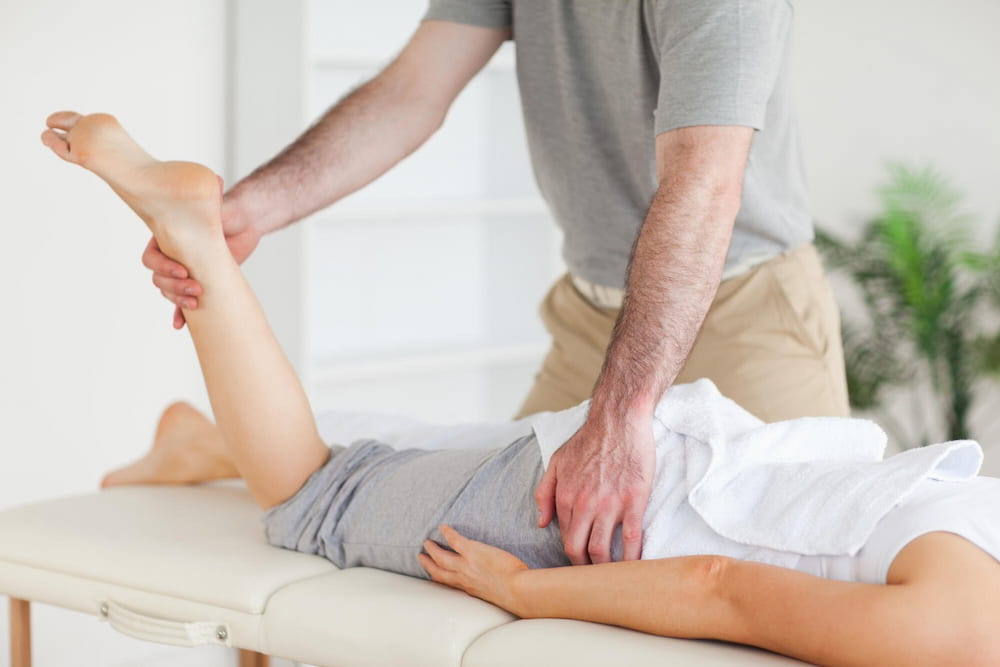
The human spine is the main support structure of your body. It keeps you standing tall, protects your delicate spinal cord, and lets you bend, twist, and walk easily every single day. Even though your back performs hard physical work daily, spinal health is often ignored until pain starts. Back stiffness, neck soreness, and sudden fatigue are clear signals that your spine needs better care.
Looking after your spine involves more than avoiding acute physical injuries. It is a full lifestyle approach focused on good posture, smooth movement, and total physical wellness. Understanding how your back functions helps you make smart daily choices.
When you focus on proper spinal alignment, strong core muscles, and daily activity, you shield your body from early wear and tear. Taking simple protective steps today reduces chronic pain and helps you stay active at any age. Developing strong daily habits for your spine ensures that your entire body functions smoothly and stays resilient against daily stress and physical demands.
The Vital Role of Spinal Health in Overall Well-Being
Your spine is directly linked to your central nervous system. It serves as the main path for nerve signals traveling between your brain and your organs. When your spinal column stays in good alignment, these nerve signals move freely without physical restriction. This healthy signal flow promotes good organ function, smooth muscle movement, and sharp physical senses. However, small shifts in your spine can press against delicate nerves and disrupt these vital pathways. This nerve stress does not only cause lower back pain. It can also cause tension headaches, stomach discomfort, lower energy levels, and poor immune health.
Your spine also plays a major role in your posture and muscle balance. Proper spinal alignment distributes your total body weight evenly across your joints. This prevents joint wear and lowers stress on surrounding back muscles. When your spine moves out of alignment, nearby supporting muscles must work twice as hard to keep you balanced. This extra compensation leads to chronic muscle fatigue, painful spasms, and ongoing swelling.
Keeping your spine healthy empowers you to stay active as you age. A flexible back makes regular exercise much easier and more enjoyable. Exercise then boosts your heart health, improves your mood, and gives you lasting energy. When back pain remains untreated, it disrupts your sleep and lowers your daily workplace output. For people seeking expert guidance on structural care, visiting a skilled chiropractor near Valrico can provide targeted adjustments that realign the spine, reduce nerve pressure, and encourage natural bodily healing. Combining professional care with daily home habits creates a strong foundation for lifelong vitality. Taking care of your structural health now saves you from painful physical complications down the road.
How Spinal Health Impacts Everyday Activities
Almost every physical move you make depends on a strong and flexible spine. From simple tasks like bending to tie shoes to lifting heavy grocery bags, a healthy back holds your body stable. When your spine feels stiff or weak, daily chores quickly become exhausting and painful.
Consider how much time people spend sitting down today. Millions of adults sit at office desks, look at phone screens, or drive for long hours every day. Sitting for extended periods puts twice as much pressure on your lower back compared to standing tall. Over time, poor sitting posture tightens your hip muscles and weakens your core. It also pulls your head forward, placing heavy stress on your neck. This posture breakdown creates upper back tightness, sore shoulders, and frequent tension headaches that ruin your concentration.
Home chores and weekend activities are also affected by your back condition. Lifting heavy boxes, working in the yard, or playing sports requires your spine and core to work together smoothly. If your back is stiff, your body compensates by placing extra stress on your knees, hips, and shoulders. This improper stress increases your risk of painful injuries like herniated discs, pinched nerves, and pulled muscles.
Sleep quality is another key area tied directly to spinal health. Good sleep gives your body time to repair tissues and rehydrate spinal discs after a busy day. However, resting on an unsupportive bed or sleeping in awkward positions keeps your spine misaligned overnight. You wake up feeling stiff and sore instead of refreshed and energized. Taking care of your back ensures your body handles daily demands with comfort and ease. Building dynamic movement into your daily routine helps keep your spinal joints loose, hydrated, and ready for action.
Practical Strategies for Maintaining a Healthy Spine
Protecting your spine requires daily posture awareness, regular physical movement, and good ergonomic setups. Because your back absorbs continuous impact forces throughout the day, simple preventative habits yield huge long-term benefits for your overall comfort. Making small changes in your daily routine keeps your vertebrae healthy and allows you to move freely.
- Maintain proper posture while sitting.
- Drink enough water every day.
- Strengthen your core muscles regularly.
- Stretch your spine throughout daytime.
- Lift heavy objects using legs.
- Choose supportive ergonomics for work.
- Take frequent short movement breaks.
- Sleep on firm supportive mattresses.
Adding these protective habits to your daily life builds a safe environment for your spine. Proper hydration keeps your spinal discs soft, elastic, and fully cushioned. Routine core exercise creates a strong natural brace around your lower back. Furthermore, practicing safe lifting habits, bending your knees instead of twisting your back, prevents sudden load from damaging delicate spinal discs. Consistent daily efforts build deep structural strength over time, protecting your back against future discomfort. Practicing these simple steps every day helps preserve your joint health and protects your posture as you grow older.
Unlocking Lasting Vitality Through Daily Spine Care
Achieving a pain-free life begins by understanding and prioritizing long-term spinal health. As the central support pillar for your physical movement and nervous system, your spine requires daily care, good posture, and proper support. By building healthy lifestyle habits, staying physically active, and seeking expert care when needed, you can protect your back from early wear and enjoy comfortable movement.
Investing in your spine gives you the freedom to enjoy your family, work, and favorite hobbies without physical limits. Taking proactive steps today ensures that your body stays strong, flexible, and energetic for many years to come. Looking for more tips and ideas? We’ve got you covered. Check out some of our other posts now.
Did you find this helpful? Check out our other helpful articles on our website.
Read Also
- What Makes Permanent Tooth Replacement A Life-Changing Option?
 Missing teeth can cause serious discomfort and lower your self-esteem. Many people struggle with everyday tasks like eating meals and speaking clearly to friends. Traditional dentures offer a quick fix but often slip or feel completely unnatural. A modern approach provides a secure fit that feels exactly like real teeth – giving you true peace… Read more: What Makes Permanent Tooth Replacement A Life-Changing Option?
 - Where to Find Reliable Mental Health Support for TeensHave you noticed changes in your teen’s mood, sleep, or behavior that leave you worried? Growing up can bring stress from school, friends, family, and new demands. Some teens may struggle to share their feelings or ask for help, even when they need support. Finding the right mental health support for teens can help them… Read more: Where to Find Reliable Mental Health Support for Teens
- Top Trends Shaping the Future of Mental Health CareMental health care is moving fast to meet daily human needs. People want direct care that fits modern life. Clinics respond by creating flexible options that make healing easier to reach. Providers look past rigid habits to give people solid care. From smart tools to body wellness, these changes help people find relief when life… Read more: Top Trends Shaping the Future of Mental Health Care
- Full-Arch Dental Tourism: Why UK Patients With Severe Bone Loss Are Looking AbroadDental implants have become one of the fastest-growing segments of private dentistry. Within that market, one patient group behaves very differently from the rest: people who have been told they do not have enough upper jawbone for conventional implants. For these patients, the choice is rarely between one clinic and another. It is between a… Read more: Full-Arch Dental Tourism: Why UK Patients With Severe Bone Loss Are Looking Abroad
- Levels of Mental Health Care and When to Seek SupportMental health care can range from occasional outpatient appointments to 24-hour hospital treatment. The appropriate level depends on safety, symptom severity, daily functioning, medical needs, available support, treatment history and personal preferences. A licensed clinician should assess these factors rather than relying on a symptom list alone. Need help now? In the United States, call… Read more: Levels of Mental Health Care and When to Seek Support
- How to Choose a Shilajit Brand Based on the ResearchIn a randomized trial published in the Journal of the International Society of Sports Nutrition in 2019, 63 active men took 250 mg of standardized shilajit, 500 mg, or a placebo every day for eight weeks, and the benefit for strength retention after a fatiguing workout appeared only at 500 mg. For anyone choosing a… Read more: How to Choose a Shilajit Brand Based on the Research
- How to Incorporate Relaxation into Your Busy ScheduleFinding balance when you have a packed daily agenda often feels out of reach. Between work duties, family obligations, and personal projects, personal rest usually gets pushed to the bottom of the list. Small, intentional shifts in daily habits can help restore calm without requiring hours of extra free time. Continue reading to discover everything… Read more: How to Incorporate Relaxation into Your Busy Schedule
- Red Light Therapy for Skin and Wellness: Meet Vital Red Light TherapyModern wellness is not always about complicated treatments or long routines. Many people are now looking for simple, convenient ways to support their skin, recovery, and overall wellness at home. One technology getting more attention is red light therapy. Red light therapy uses specific wavelengths of red and near-infrared light to support the body’s natural… Read more: Red Light Therapy for Skin and Wellness: Meet Vital Red Light Therapy